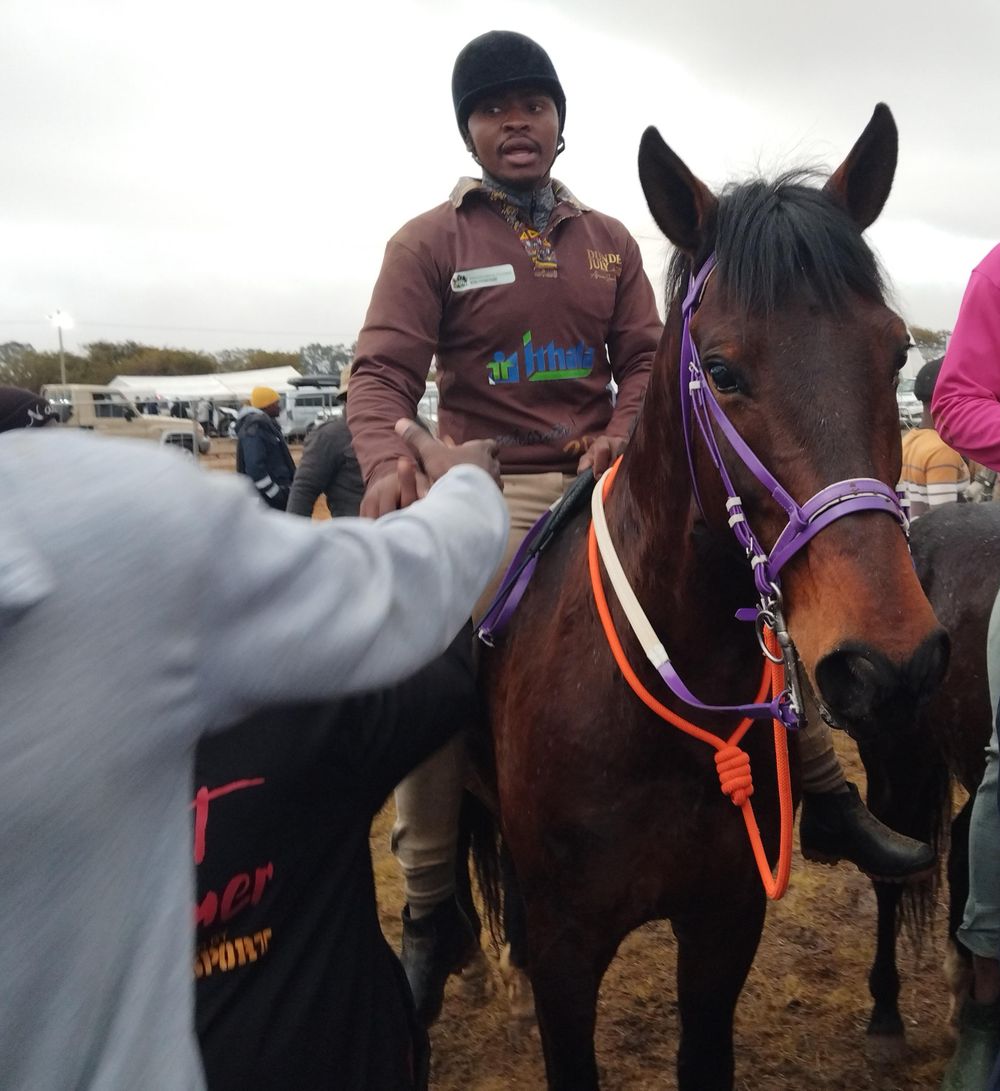






(Photo: Lizzie Hartzer/Vivo Boerebemarkingsdag)
TLU SA expressed their concern about South Africa’s current policy direction and the pressure under which food production and economic growth are under.
The organization sent two official letters to Pres. Cyril Ramaphosa and John Steenhuisen, Minister of Agriculture, in which they ask for “practical, economically responsible solutions” to promote growth.
According to TLU SA, the country cannot afford to continue with policies that undermine investor confidence, set merit aside and hamper economic growth.
“The state’s core responsibility is to ensure safety and create a policy environment within which people can empower themselves economically,” says Bennie van Zyl, general manager of TLU SA.
“True empowerment comes not through ideological prescriptions or race-based legislation, but through opportunity, responsibility, merit, training and a level playing field.”
TLU SA argues in its letter to Ramaphosa that agriculture is one of the foundations of stability, job creation and food security and cannot be seen separately from the wider economy.
The organization says that race-based policy instruments such as black economic empowerment (SEB) have not improved the economic position of the general population and often discourage investment, while driving expertise out of institutions.
TLU SA calls for policy and legislation to be measured by their ability to restore investor confidence, promote sustainable job creation and stimulate economic growth.
The organization also believes that quality education, skill development, merit and expertise should again form the core of economic empowerment and appointments.


(Archive photo: Maroela Media)
In a separate letter to Steenhuisen, TLU SA highlighted a possible biofuel industry as a growth opportunity. The organization asks that the department commission an independent study on the feasibility of ethanol and biodiesel plants in South Africa.
According to TLU SA, crops such as maize, sugarcane, soya beans and sunflowers could potentially form part of a larger biofuel strategy, provided they do not harm food security or local prices.
“We are not asking for thoughtless intervention,” says Van Zyl.
“We call for serious, independent research that assesses economic realities, food security, infrastructure, investment, environmental impact and energy insecurity together.”
TLU SA believes that a responsibly developed biofuel industry can create new markets for agricultural products, support job opportunities in rural areas and broaden South Africa’s energy mix.
“Agriculture can play a greater role in economic recovery, energy security and job creation,” says Van Zyl.
“But then the government must be prepared to test policy soberly, admit failures and work with producers on practical solutions.”