






Argief photo. (Photo: Matthias Zomer/Pexels.com)
Solidarity’s social worker network has written urgently to the Gauteng Department of Social Development and Nomantu Nkomo-Ralehoko, the Gauteng MEC for Social Development, regarding the delays in subsidy payments to organizations that provide essential services to specific elderly people.
“The organizations no longer know when fees are going to be paid and whether they are still in the offing,” says Bianca Smit, coordinator of Solidarity’s social worker network.
Solidarity’s social worker network therefore demands that the department immediately provide clarity on the status of funding. The department is also required to disclose clear timelines for outstanding payments.
There must also be meaningful consultations with service providers, and an emergency plan must be drawn up to ensure the continued care of the elderly.
Solidarity requested the department to respond to his letter within seven days.


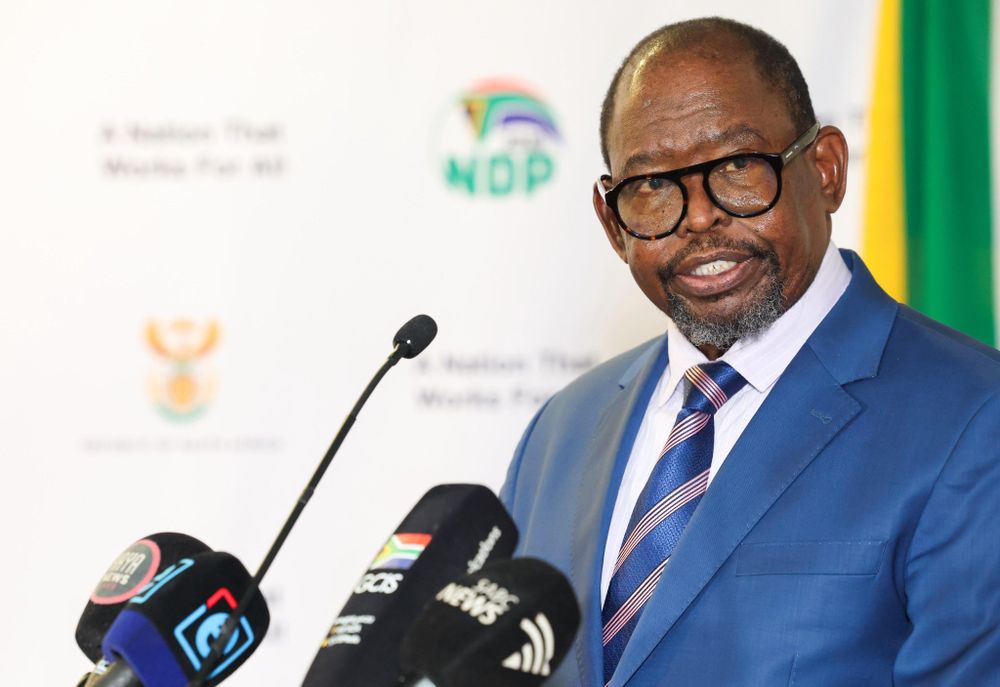
Nomantu Nkomo-Ralehoko, MEC for social development in Gauteng. (Photo: X)
‘Organizations placed in an impossible position’
Smit says organizations that have to take care of some of the most vulnerable people in society on a daily basis are put in an impossible position due to the department’s delays, as they are still expected to continue their services without interruption.
This applies especially to organizations that assist the elderly with home care and that in the past could rely on subsidies, explains Smit.
Solidarity’s social worker network has been informed by members at the Pretoria Council for the Elderly and the Silver Crown home care program that service level agreements have still not been finalized and funding has not yet been approved, despite the fact that services must continue unabated.
Meanwhile, the department itself still refers elderly people to the organisations. Solidarity warns that the need for care does not disappear simply because subsidy payments fail.
She warns that the department’s failure to pay subsidies or even just to provide clarity on funding does not just put the organizations under pressure. “This jeopardizes the safety, health and dignity of the elderly.”

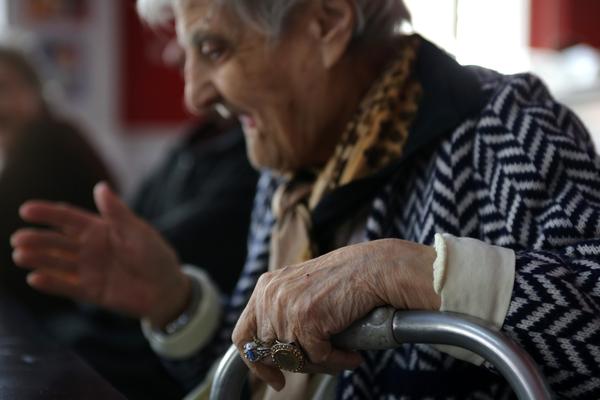
Argieffoto. (Photo: Marios Lolos, Xinhua)
“Elderly people do not become less vulnerable because the department falls behind with its administration.
“They remain dependent on social work services, home care, nutrition programs, health monitoring and protection services. The state cannot neglect its responsibility and expect welfare organizations to bear the burden alone,” says Smit.
According to information received by the network, several organizations are already on the verge of operational collapse. Services are scaled back, fewer people can be helped and the loss of experienced and professional staff is now an increasing risk.
“When these organizations start to fail, it is not the department that bears the consequences first, but the elderly who are alone at home.
“It is the vulnerable older person who receives less support and it is families who are suddenly left without help,” explains Smit.
Solidarity warns that the consequences are already visible and believes that pressure is increasing on families and communities, which creates an increased risk of neglect. The possible closure of community-based programs will further exacerbate the situation.