






There was a plan for a man who came back from prison and wanted to take over his brother’s house.
This man, who spent 16 years in prison, went straight to his brother’s home, and presented himself to the High Court seeking approval as the owner of the home, not his brother’s children.
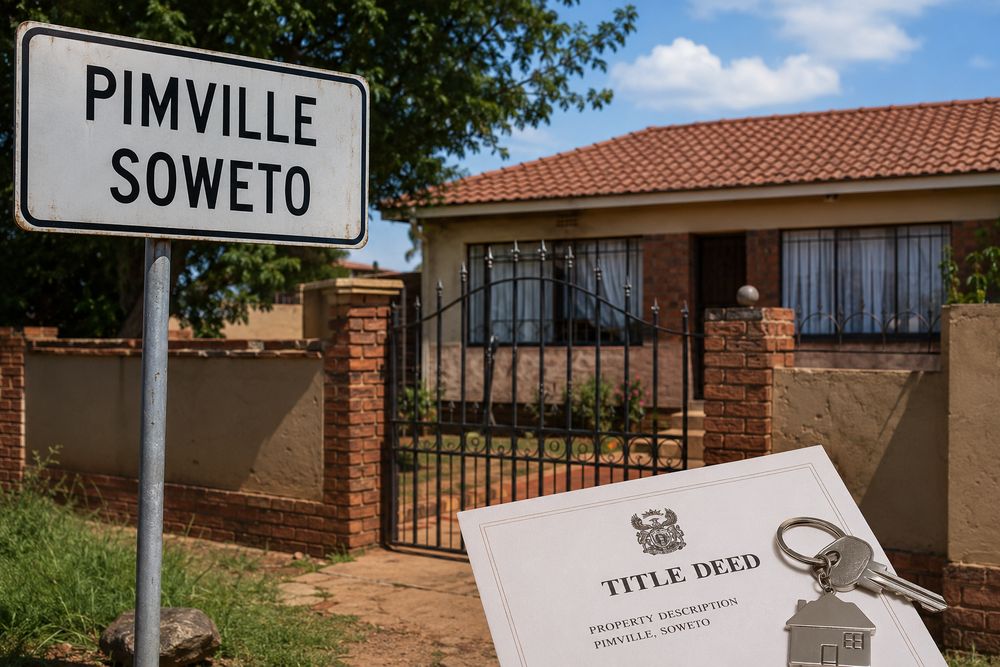
The High Court of South Gauteng in Johannesburg (Johannesburg) has dismissed his request after hearing his side and that of his brother’s daughter regarding the issue of the house in Pimville. The plaintiff says that the home belonged to their parents but they did not leave a will and that is why it fell to his brother and unfortunately when he died it fell to his children. This man came to the court with his two sisters, who were accompanying him in this matter.
In his application, he argued that the house was originally allocated to his deceased parents under the apartheid-era Regulation 7 licensing scheme, and that the registration of the title deed in the names of his deceased brother, along with his wife, was illegal. He also asked the court to declare his brother’s daughter’s will as illegal, arguing that since her parents died without leaving a will, the house should be passed on to all their heirs according to the law of inheritance when there is no written document (intestate succession).
However, the daughter, opposing the request, told the court that her parents legally bought the house from the Johannesburg Municipality for more than R1,700 after her grandparents moved to Alexandra in 1987. He said his parents lived in the house, paid all the municipal fees and services, and later became the registered owners.
It also revealed that his father was in prison from 2004 until he was released in 2020. After being released from prison, he asked his parents for permission to stay in the back room of the house, saying that he would not be able to return to Alexandra after being convicted of murdering a member of the public. The daughter told the court that the father abused her until she got a restraining order to stop him from approaching her.
The acting judge, Professor Taki Madima, found that the evidence shows that the deceased had legally found the way to become the owner of the house after buying it from the municipality under a law that was intended to transform apartheid-era land tenure rights into full ownership rights. The court also noted that he lived in the house, paying all the necessary municipal costs and services. When he died without leaving a will, his estate passed to his surviving wife, as well as their two children. Later, the children’s mother made a legal will that left the property to her two children.
While denying the father’s request to return from prison, the judge also looked into his return to the home after his release from prison, and found that his stint in the yard did not give him legal ownership of the home.