







MyCiTi bus in Cape Town (Photo: Facebook)
The City of Cape Town intends to receive its first electric bus as early as August this year, with a further 13 e-buses to be delivered between October and December this year as part of a larger plan to modernize the My CiTi fleet.A total of 30 low-floor electric buses will be put into service between August and June next year.
The new fleet consists of 12 meter long Volvo BZRLE electric buses – the first to have the body produced locally in Johannesburg.
According to Rob Quintas, the city’s mayoral committee member for urban mobility, the launch comes at a critical time.
“The delivery of the electric bus fleet could not be more timely, given the volatility of the energy markets and the uncertain geopolitical environment,” he said.
He added that the benefits go beyond just environmental impact.
“In addition to lowering our carbon emissions, an electric bus fleet can offer several other benefits, especially in terms of maintenance and operating costs. Some countries using e-buses have recorded a reduction of up to 70% in operating costs.”
The city will conduct research with the University of Cape Town to test the performance of the e-buses in the My CiTi system.
The e-buses will be tested on existing My CiTi bus routes over a period of about 12 months. The focus will be on factors such as battery life, charging time, passenger numbers and the influence of routes and climate on performance.

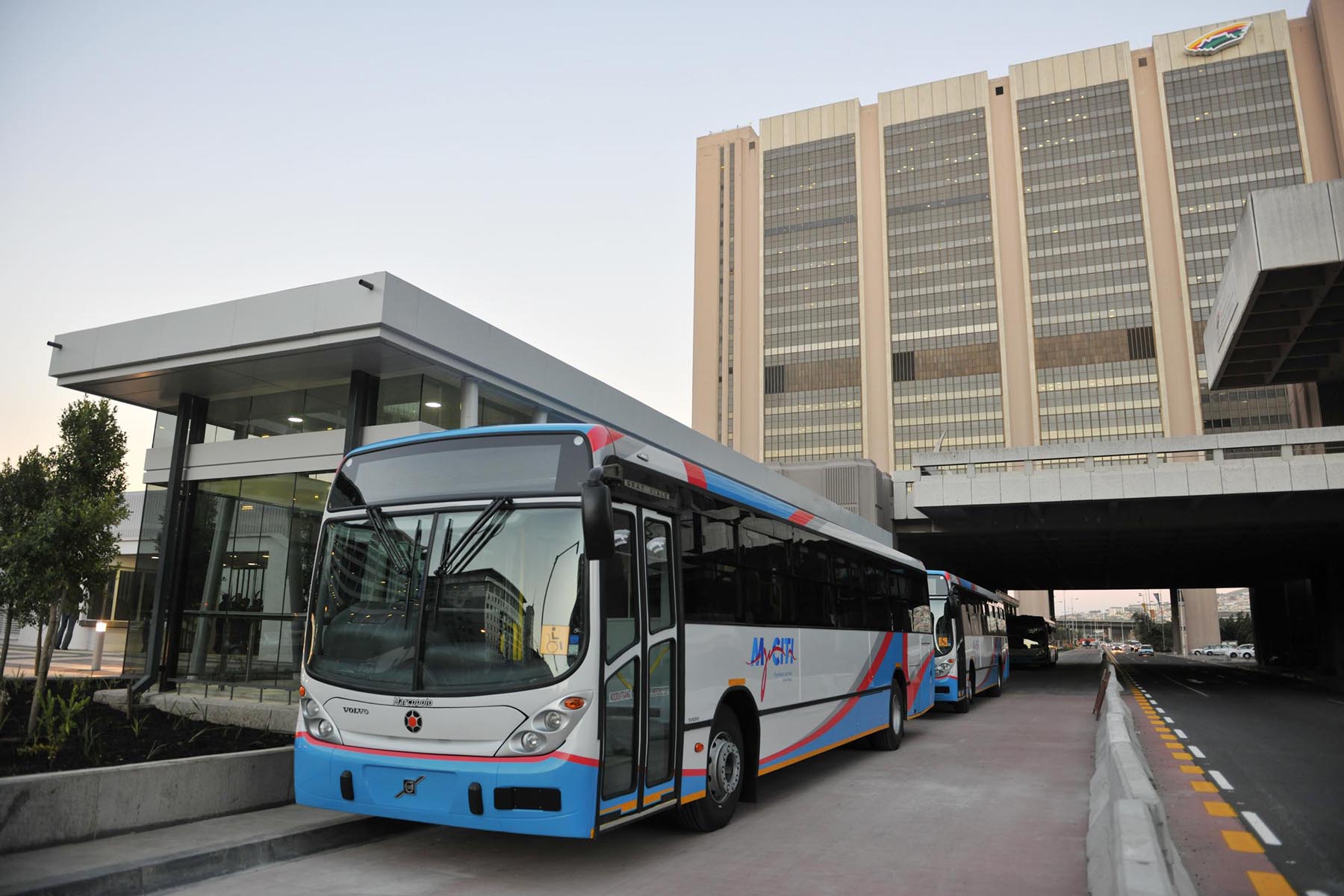
(Photo: myciti.org.za)
“The research will help us understand how the electric buses will perform in our local context, and what challenges we need to consider before rolling out the fleet next year,” said Quintas.
“This information will help us with planning and preparation, such as the training of bus drivers, maintenance requirements and fault reporting.”
If all goes according to plan, the first e-bus services will come into operation from July next year on routes between Mitchells Plain and Khayelitsha, Wynberg and Claremont, as well as the Cape city centre.
The City says that further expansion of the electric fleet remains a priority, but that this is dependent on available funding from the national government.