






Photo for illustration. (Photo: iStock)
TLU SA welcomes and supports Sakeliga’s recent submission to the United States Trade Representative (USTR) on the future of the Agoa agreement.
Sakeliga’s proposal follows amid increasing uncertainty about South Africa’s future participation in AGOA, a trade advantage system that offers South African companies and producers preferential access to the American market.
Sakeliga suggests in the submission that the current all-or-nothing approach be reviewed.
TLU SA says, instead of companies and producers bearing the consequences of decisions made at government level, according to Sakeliga, there should be room for companies, farmers and even provinces that meet international trade requirements to still maintain access to the American market.
The legislation was recently extended by one year until 31 December 2026, pending a comprehensive review.
Bennie van Zyl, general manager of TLU SA, emphasizes that this matter is of particular importance for South African agriculture.
“The United States is an important export market for various South African agricultural products. Thousands of jobs, farming enterprises and rural communities depend on stable access to international markets. If South Africa were to lose AGOA benefits, the consequences could be felt throughout the agricultural value chain.”
Also read: Agoa: Sakeliga proposes these amendments


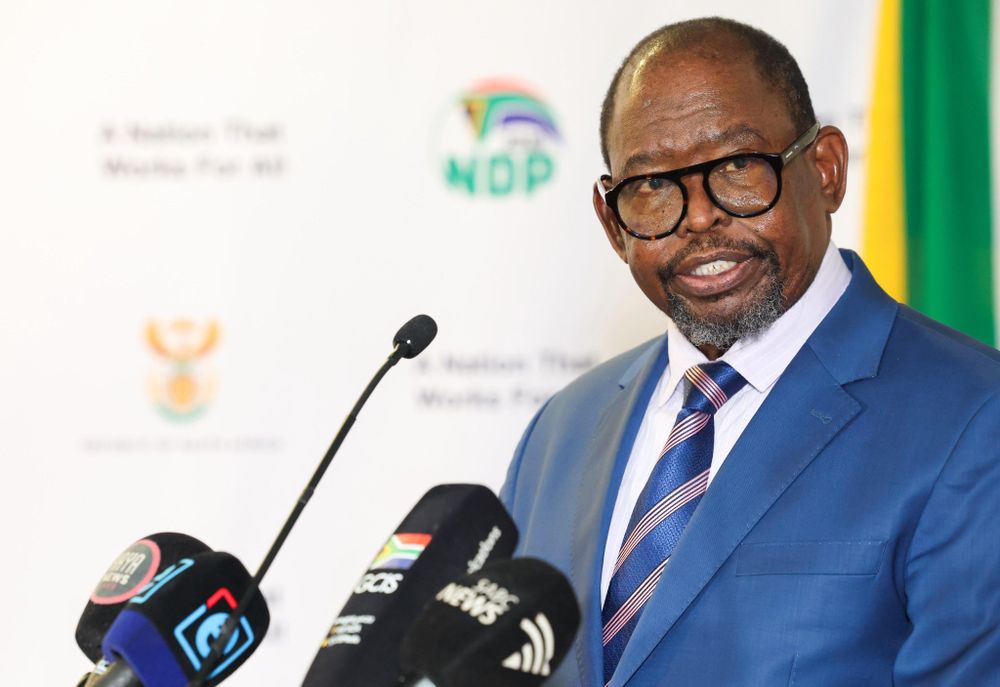
(Archive photo: GCIS)
TLU SA is of the opinion that farmers and other productive enterprises should not be punished for policy decisions over which they have no control.
Van Zyl says farmers produce food, create jobs and contribute to the economy.
“They should be judged on the basis of their performance and adherence to international standards, not on the basis of political decisions over which they have no say.”
According to TLU SA, Sakeliga’s proposal offers a realistic and practical solution that recognizes that South Africa’s productive sector does not necessarily represent the same viewpoints or policy directions as the national government.
The organization points out that South African agriculture is already under pressure due to rising input costs, increasing regulatory requirements, infrastructure challenges, uncertainty about property rights and other factors that negatively affect investment confidence.
“The loss of preferential access to important export markets will further increase this pressure. TLU SA therefore supports any international trade framework that encourages productive enterprises, farmers and investors, respects property rights and promotes economic growth.”
Van Zyl says the future of South African agriculture depends on policy certainty, access to markets and the protection of the people who produce food.
“That is why we support Sakeliga’s proposal and the principle that productive enterprises should not be punished for government policy,” says Van Zyl.
TLU SA calls on all role players to take seriously the importance of international trade for South African agriculture and to support solutions that create jobs, promote food production and enable economic growth.