





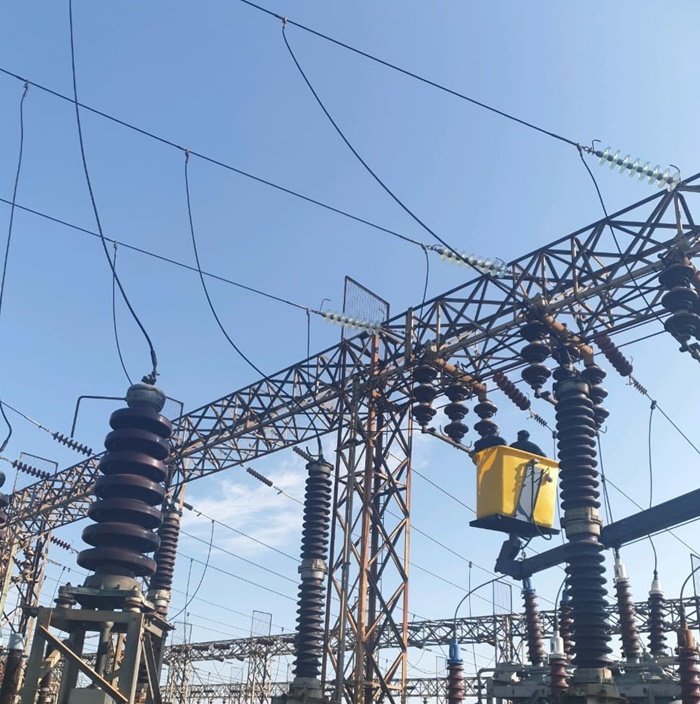
Archive photo. (Photo: City Power/Twitter)
Johannesburg’s debt of R5.3 billion to Eskom has reached a critical point and now poses a serious risk to the city’s power supply and the country’s economic stability.
According to Busisiwe Mavuso, the CEO of Business Leadership South Africa (BLSA), the debt crisis worsened after the Johannesburg metro missed a deadline to settle its current account by 5 June. Eskom has consequently resumed its legal proceedings in terms of the Promotion of Administrative Justice Act (PAJA) – the legal process that must be followed before power supply can be suspended.
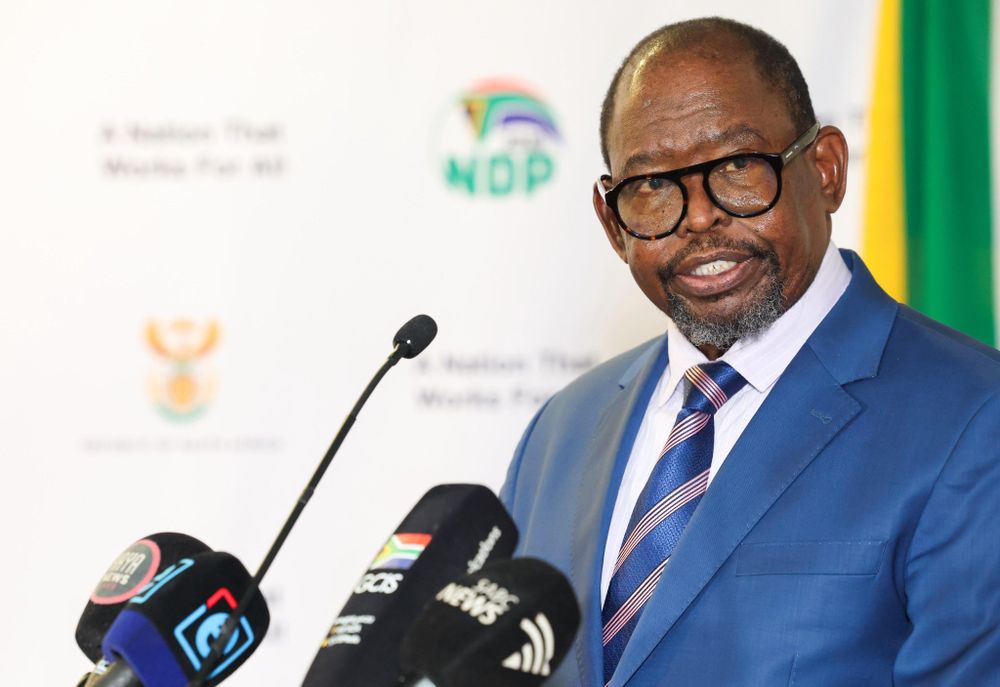
Although Kgosientsho Ramokgopa, the Minister of Electricity and Energy, succeeded in negotiating a 30-day extension for Johannesburg, Eskom warns that the city is still not meeting its payment obligations. This may eventually lead to power supply to City Power being cut off.
Mavuso says Johannesburg’s poor financial position makes it extremely difficult to pay off its historical debt. Analyzes show that the metro is on average almost a year late with payments to suppliers, with Eskom among the biggest creditors.
According to BLSA, Johannesburg has been struggling for some time to recover the income provided in its own budgets. At the same time, too little is spent on infrastructure maintenance and new infrastructure development.
“The city’s budget is largely swallowed up by spending on consumption, while essential services are not provided sufficiently to support business operations and economic growth,” says Mavuso.
Johannesburg is one of several municipalities that owes large sums to Eskom. Mavuso warns that a solution to this debt is essential for Eskom’s own financial recovery.
The organization further says that Eskom’s recovery is not only about debt collection, but also about the reform of South Africa’s electricity market.
BLSA supports an independent transmission system operator that not only manages the network, but also owns the transmission assets. According to BLSA, it is essential to ensure a fair and competitive electricity market.


City Power. (Foto: Google)
Pres. Cyril Ramaphosa expressed support for this model in his state of the nation address earlier this year, and the presidency recently reaffirmed it.
Mavuso says ownership of transmission assets is important for two reasons: It will encourage investment in critical network infrastructure and ensure that all electricity providers enjoy equal access to the network.
The organization warns that South Africa cannot afford only symbolic reform.
Since load shedding began 18 years ago, electricity prices have risen – significantly faster than inflation. BLSA believes that these sharp price increases have seriously harmed the competitiveness of energy-intensive manufacturing industries and contributed to deindustrialisation.
“What is needed now is real competition in the electricity market – not reform in name only,” says Mavosu.
The organization says the business community is prepared to support Eskom and credible public institutions, but only if there is a clear commitment to the implementation of existing policy and structural reform.