



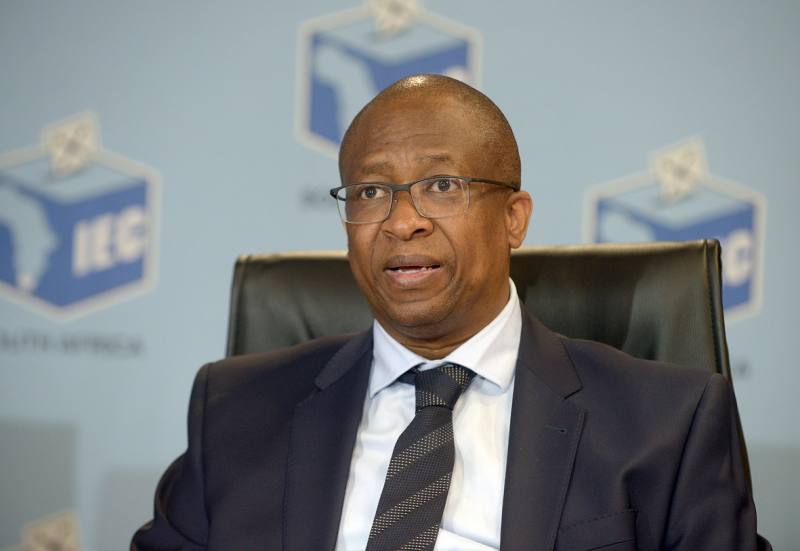
Archive photo for illustration purposes only. (Photo: Brendan Magaar/ANA)
The Election Commission (ECC) is currently preparing for a municipal election in November.
The commission revealed this week in a presentation to the parliamentary portfolio committee on internal affairs that the election date will probably be proclaimed in August.
Dawn Mbatha, chief financial officer of the Electoral Commission, also gave her assurance in this presentation that the commission will be ready to host a free and fair municipal election by November.
This despite a budget deficit of R1.6 billion.
On Tuesday, Mbatha explained to the parliamentary portfolio committee on internal affairs how the Electoral Commission will fund a municipal election and two registration weekends.
The commission received a budget allocation of R3.1 billion for 2026/27. However, the commission’s estimated expenses amount to R4.7 billion, which leaves the commission with a budget deficit of R1.6 billion.

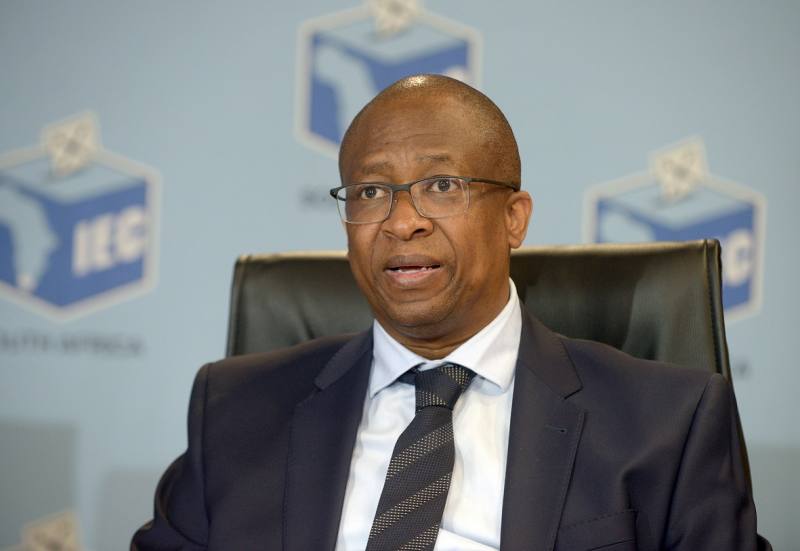
Sy Mamabolo, Chief Electoral Officer. (Photo: Bongani Shilubane/African News Agency/ANA)
However, the commission is not worried.
Mbatha explained to the committee that every year that there is no election, the commission puts money away, so that there is enough for an election year.
According to Mbatha, the commission currently has R1.1 billion in savings that can be transferred to the 2026/27 financial year to fund the election.
However, there is a risk that the commission will be required to provide audited financial statements to the national treasury after 31 July, which means that the commission will not be able to access its surplus until after August.
This will negatively impact the election’s procurement calendar, Mbatha conceded.
The commission will therefore now reprioritize within its operating budget to fund election-related projects.
“It is therefore fair to say that the election was funded,” explained Mbatha.
This is what the dates look like
The commission presented a so-called road map after the elections to the parliamentary portfolio committee on internal affairs and according to the map the elections will take place in November.
The map shows that there will be a second registration weekend in August. Velenkosini Hlabisa, the Minister of Cooperative Government and Traditional Affairs (Cogta), will then announce the date of the election shortly after, according to the map.
“The announcement of the election date has two legal consequences,” Chief Electoral Officer Sy Mamabolo explained to the portfolio committee on internal affairs.


Archive photo for illustration purposes only. (Photo: Michele Spatari / AFP)
“Firstly, the commission must publish an election schedule at that stage. Second, the electoral roll closes on the night the election is announced.”
According to Mamabolo, the date on which candidates can be nominated is certainly the most important.
“We will open the system for the nomination of candidates as soon as the date is announced. Our advice to political parties is therefore to make sure that their candidate processes are completed by 30 July.
“Parties will be asked to make their submissions shortly after Minister Hlabisa announces the election date,” warned Mamabolo.
Commission prepares ‘seriously’
We are seriously preparing for the elections,” Mosotho Moepya, chairman of the Electoral Commission, told the committee in turn.
The commission has already completed its voter participation survey and shared the outcomes of the survey with political parties.
However, the survey shows that the commission still has a lot of work to do in KwaZulu-Natal to convince voters from the province to register and vote.
“KwaZulu-Natal is particularly worrying. This is why the IEC is present in the community in KwaZulu-Natal this week to motivate and excite people for the election.”
However, Moepya assured that a lot of work has already been done in the run-up to this year’s municipal elections.

Archive photo for illustration purposes only. (Photo: GIANLUIGI GUERCIA / AFP)
“We have employed more than 830 municipal outreach coordinators nationwide. They are already in the field to do the work.”
In the meantime, the commission is already working with the SABC to convey messages regarding registration and the voting process to the public. The commission has also identified certain community radios to convey the message to the public.
According to Mamabolo, the commission is also well ahead with its technical preparations for the election.
The commission is currently working on a platform upgrade. This upgrade is already approximately 80% complete and involves new hardware and migration to a newer Windows server to improve the security and stability of infrastructure.
The Electoral Commission has also procured new handheld scanners to be used with voter management devices on election day.
These scanners will be used on that day to scan voters’ identity documents. “The scanners work faster and without effort,” Mamabola explained after scanners had already given problems in previous elections.