






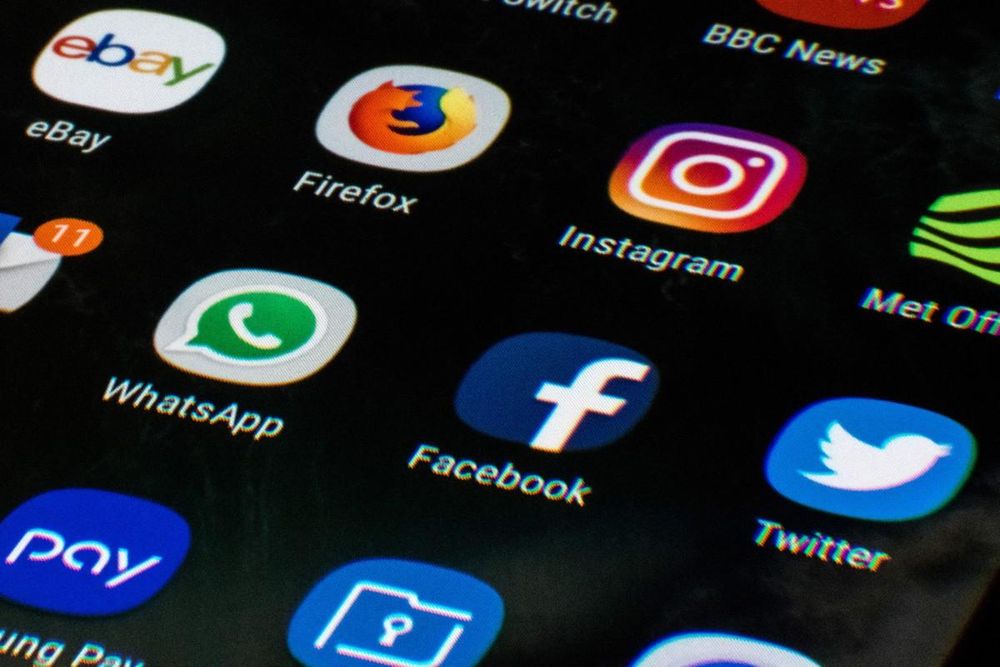
A STUDY of more than 900,000 posts on different social media platforms has shown that there is an ever-increasing number of posts, accompanied by images and videos, whose purpose is to discriminate against homosexuals and those who are part of LGBTQIA+.
This was revealed by the Center for Analytics and Behavioral Change (CABC), revealing that it is worrying that the increase in incidents of rape, which is sexual harassment, is aimed at women of the rainbow, which are women who have sex with other women and men.
The CABC also revealed that their research found that the use of the word gay to insult or insult those who live this life is increasing on social media, which is a way to make them feel unwelcome.
In this study, ICABC studied more than 909,250 texts written by more than 156,830 people in X from June of last year to May of this year, where it was discovered how many things they say about LBGTQIA+ but end up being ignored so easily since they have the potential to be racist.
Until this research was done, it was from the incident of killing of Kwakhanya Mbani (16) from Khayelitsha, Cape Town, who was part of LBGTQIA+, and was killed in December last year in an incident that is suspected to be related to racism.
Apart from violence, here are other ways in which they are abused and ignored:
- It is the use of the word gay (homosexuality) whose meaning points to discrimination and not accepting them properly.
- And that they are looked at as if their life is contrary to African and that they are doing what white people do, you can look at it and ignore it but it will torture them.
“The most surprising thing about that is that people realize that it is happening, but they decide to just ignore it and look at it as a joke and say nothing, which causes such incidents to continue and end up having a negative impact,” said CABC.
CABC has launched this challenge to try to stop this damage:
- It is that the social networks have played a role in suppressing the power by hiding and withdrawing the texts that have the potential to be racist in this way.
- Organizations that represent public welfare, government and the media must be involved in spreading such information to the people so that they understand the dangers of these conditions.
This study’s report is the second that looks at the use of social media for sexism, following the one from 2024 that looked at how social media can be used to start discussions about gender.