





(Archive photo: ANA)
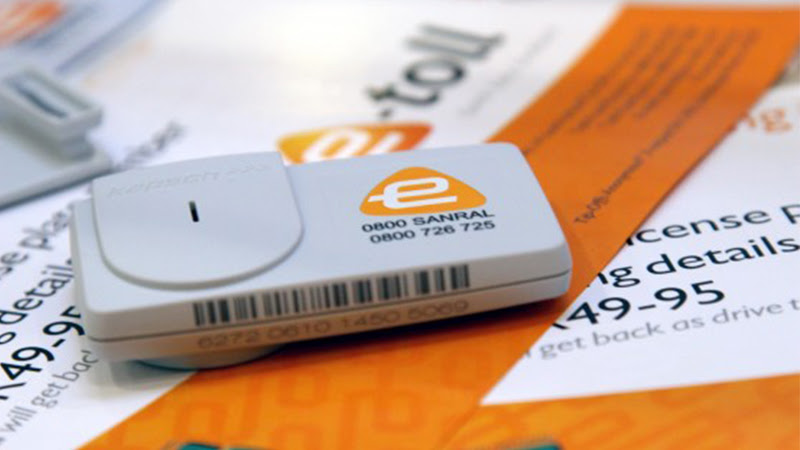
The long-running and controversial saga surrounding the Gauteng Highway Improvement Project’s (GFIP) e-toll system is now officially a thing of the past, after the cabinet decided that the South African National Roads Agency (Sanral) write off the historic debt burden of motorists.
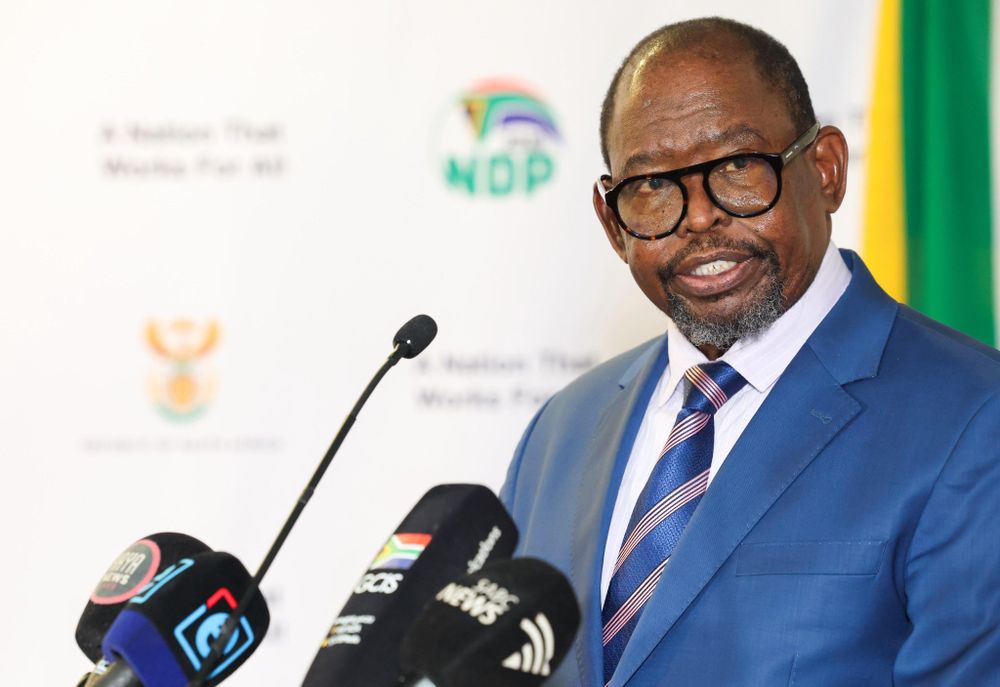
The decision was welcomed by Transport Minister Barbara Creecy and Deputy Minister Mkhuleko Hlengwa. According to them, it is an important milestone to settle the ongoing issue in a responsible manner.
The ministers emphasized in a joint statement that the decision will have a direct and positive effect on ordinary South Africans.
“This decision brings much-needed relief and reduces the financial burden on road users who are already suffering from high fuel costs due to global geopolitical tensions.
“This is a long-awaited step to settle the GFIP e-toll matter in an orderly and responsible manner and bring final closure.”


(Archive photo)
At the time, the GFIP project was implemented and operated by Sanral in terms of the applicable toll framework and approvals. The e-toll system was introduced as a financing mechanism for the upgraded Gauteng highway network. The system was terminated on 11 April 2024 when the government’s decision to close the scheme took effect and the GFIP e-toll declarations were withdrawn.
“Cabinet’s latest approval determines how the final settlement of the system will take place. This means, firstly, that all outstanding and unpaid historical debts owed to the GFIP e-toll system are written off. As a result, Sanral will not institute any further collection actions. All outstanding litigation cases related to e-toll are also settled and dropped.”
There is now also clarity for road users who have faithfully paid e-tolls over the years. Road users who paid e-tolls legally when the system was still legally operational will not receive refunds. The government argues that the levies were legally imposed and collected at the time, before the official toll declarations were withdrawn in April 2024.
The government further emphasized that the move is aimed at ensuring stability and creating certainty about the country’s infrastructure financing.

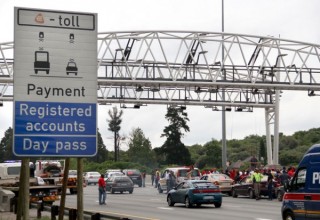
(Archive photo)
“The settlement of the GFIP e-toll debt is intended to provide certainty, resolve historical debt questions and support a sustainable approach to the financing, maintenance and improvement of South Africa’s national road network.
“The write-off of outstanding debt gives effect to the government’s decision to close the GFIP e-toll scheme and provides final closure for road users, Sanral and the fiscus.”
Despite the debt write-off, this does not mean that the principle of tolls is completely pushed into the background. The government has emphasized that motorists can still contribute to certain infrastructure projects in the future, provided they are properly structured and broadly accepted.
“The user-pays principle remains an important part of South Africa’s framework for financing road infrastructure. It applies where it is accepted by road users, through agreement and negotiation, is appropriately structured, legally grounded and supported by clear policy certainty.”