
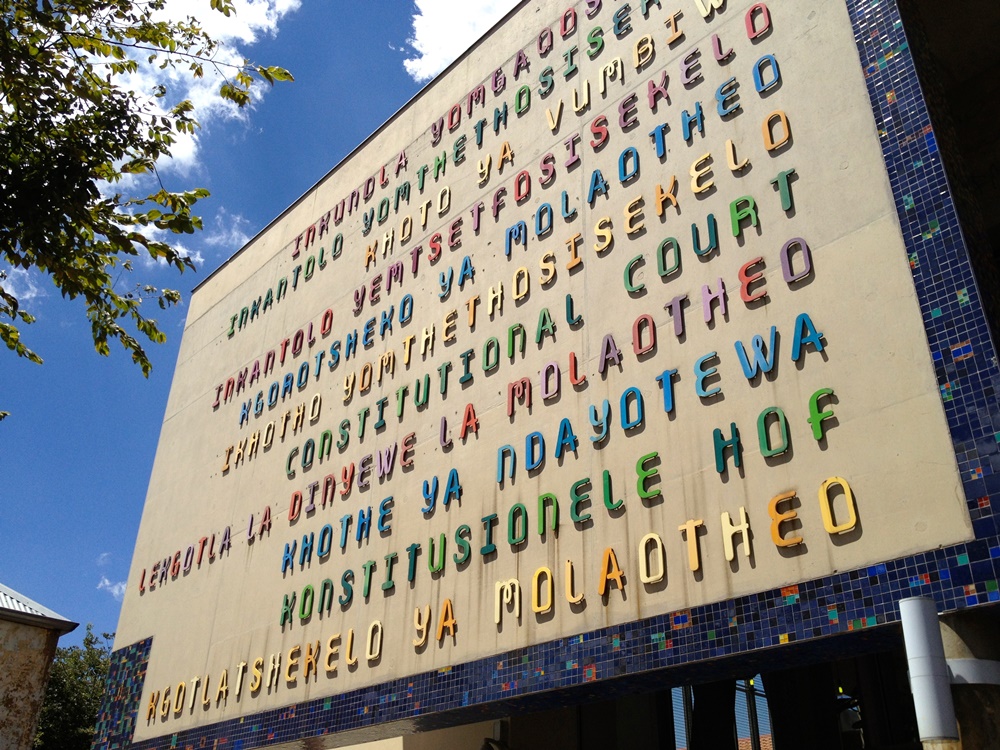
The Constitutional Court. (Photo: Gnatj.com)
The Constitutional Court rejected the national employers’ organization of South Africa (Neasa) and Sakeliga’s application to appeal directly to it.
The court’s decision simply dealt with whether the case warranted urgent and direct access to the Constitutional Court. This is not a decision on the merits of the interdict that was initially asked for in the High Court.
In another development, Sakeliga and Neasa obtained an order in the High Court this week forcing the Minister of Employment and Labor to disclose the record and reasons for the establishment of sectoral numerical targets.
Sakeliga and Neasa say the records are crucial for a judicial review of the department’s race and gender quotas.
The organizations say the minister’s long and continued failure to comply with court rules necessitated the order.
Court battle continues
The organisations’ application for leave to appeal in the Court of Appeal, which was submitted at the same time as the direct application to the Constitutional Court, continues.
Sakeliga and Neasa’s case against the fair employment quotas is divided into two.
The first part is an application for an interdict to stop the implementation of the targets and relevant regulations until the case on their constitutionality (the second part of the application) is settled.
The second part of the case is a review application where Neasa and Sakeliga ask that various sections of the Fair Employment Act be declared unconstitutional. It also asks that the minister’s regulations and numerical targets be set aside because, according to the applicants, they are unlawful, irrational and unconstitutional.
The direct application to the Constitutional Court was related to the first part of the application. It was submitted following the High Court’s decision in August last year to reject an urgent interdict against the regulations and sectoral targets. Neasa and Sakeliga believe the court erred in its decision.
The so-called quotas for the Fair Employment Act, which came into force on 1 September last year, require every designated employer with 50 workers or more to submit a plan outlining how their worker profile will meet the racial and gender demographics of the country.
“These requirements are irrational and harmful. It is unacceptable and it is basically impossible for most businesses to comply. It poses a major threat to operational sustainability over the medium term, stunts planning and investment and will be disastrous for employment and job creation,” say the organisations.
“Sakeliga and Neasa continue to challenge the unconstitutional employment quotas for the benefit of employers, workers and all communities in the country.”