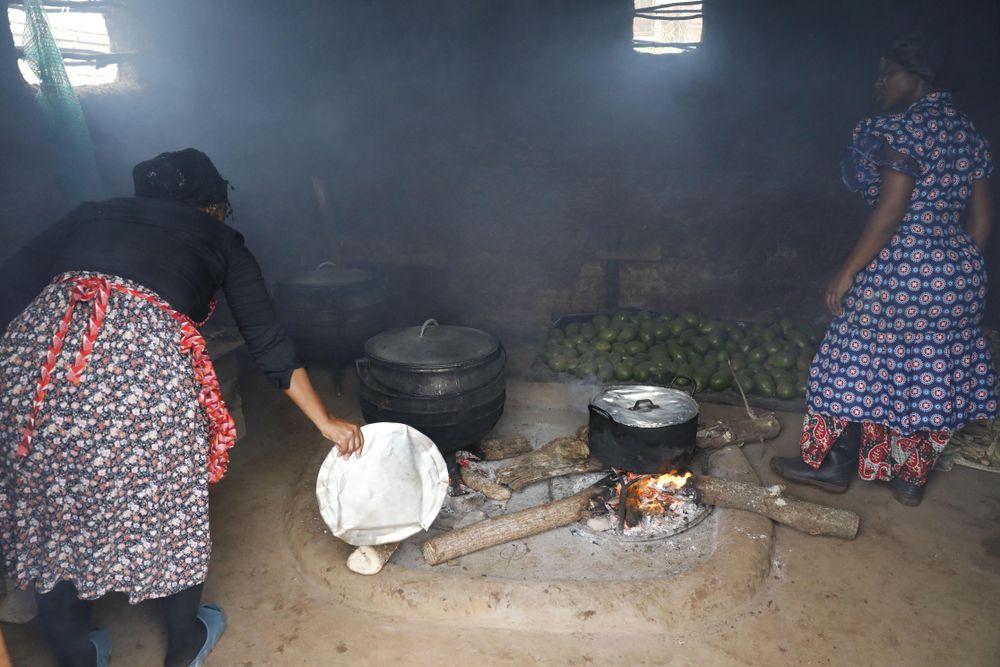






Photo for illustration. (Photo: AlexandreFagundes/ iStock)
Lifestyle priority, family ties and long-term life planning are the driving forces that increasingly make South Africans who have lived and worked abroad return here.
New research by the Teaching English as a Foreign Language (TEFL) Academy shows these people return with international experience, extensive networks worldwide and new perspectives. Out of the respondents, 77.46% say time with their family and friends is what they missed the most while they were away.
According to the report “Reverse Emigration Among South Africans” on “reverse emigration”, this return is increasingly driven by lifestyle priority, family ties and long-term life planning.
The poll was conducted among 173 South Africans who lived and worked abroad. Out of the group, 53.05% are already back in South Africa.
Almost 84% of the respondents say that living and working abroad has significantly broadened their world view. People who have returned estimate their overall life satisfaction in South Africa at 68.2%, (an average score of 3.41 out of 5).
International experience is highly valued, with a global perspective of 4.19 out of 5.
Of the respondents, 66.9% say they long for South Africa’s social culture and 55.63% long for the outdoor lifestyle.
Rhyan O’Sullivan, managing director at The TEFL Academy, says the findings reflect a shift in how South Africans approach international opportunities. For many South Africans who teach English overseas, teaching in countries across Asia, Europe and Latin America is one of the most accessible ways to gain international work experience, while also gaining international experience and saving money.


Photo for illustration. (Photo: Artmim/ iStock)
“We often see people who spend a few years abroad building confidence, saving money and developing international skills before returning home. Those teachers can continue to work online with international students while living in South Africa.”
O’Sullivan says one of the strongest findings is the impact of international exposure on a personal and professional level.
Many respondents say that the international experience meant growth for them on a career as well as personal level.
People’s return to South Africa is often very personal. Time with family and lifelong friends tops the list of things people look forward to returning to, while 66.9% long for South African humour, warmth and social culture; 55.63% miss the country’s outdoor lifestyle and climate; and half appreciate the strong cultural sense of “belonging” in the country.
One of the respondents described their return to South Africa like this: “There’s nothing like landing at the airport and hearing our accents again. You don’t realize how deeply ‘being at home’ lives in you until you’ve been away. South Africa has so much soul; it’s in our language, our humor, our breathtaking country and our resilience.”
Personal feelings about being back in the country are described as follows: “To be present for milestones, Sunday barbecues and ordinary Tuesday evenings with people we have known since our childhood; this is something that cannot happen across time zones.”

(Photo: iStock)
Despite the benefits of returning home, the poll also highlights the challenges associated with reintegration into the local labor market. Respondents were asked whether their international skills are fully utilized in South Africa, for which respondents gave an average of 3.19 out of 5, which is an indication that some experience gaps between (their) international experience and local job opportunities.
The period that South Africans spend abroad before returning varies among the largest group of respondents from one to three years (40.49%), followed by less than a year abroad (36.81%). Smaller groups were overseas for a longer period of time – 14.72% were overseas between four and seven years, while fewer people indicated their international careers lasted eight years or longer.
Recruitment companies report that interest in returning to South Africa is increasing among young workers in the United Kingdom, Australia and Canada in particular. Another factor that makes the move possible is that people can keep their international income while living in South Africa.
Overall, the findings suggest that the country’s migration story is becoming more complex and dynamic. “Rather than a simple narrative of permanent emigration, many professionals are involved in what researchers describe as the legal, temporary and repeated movement between country of birth and a country of destination (circular mobility) and they gain experience abroad before returning home.
In an increasingly connected world, migration is no longer defined by permanent relocation, but by the ability to move, learn and return. For many South Africans, time abroad is not the end of their story, but a chapter that ultimately strengthens the one they continue to write at home.