


(Photo: Provided)
The North-West University’s (NWU) latest policy uncertainty index shows how quickly the conflict in the Middle East is already beginning to affect South Africa’s economic prospects. It also puts the government under increasing pressure to consider relief for consumers and businesses.
The index for the first quarter of 2026 rose to 77.8 points, compared to 64.9 last year. A level above 50 indicates increased policy uncertainty and an unfavorable economic environment.
According to the report, the increase is mainly the result of the global energy crisis stemming from the war between the US, Israel and Iran. Higher energy prices and disrupted logistics routes put pressure on the world economy and increase uncertainty about growth and inflation.
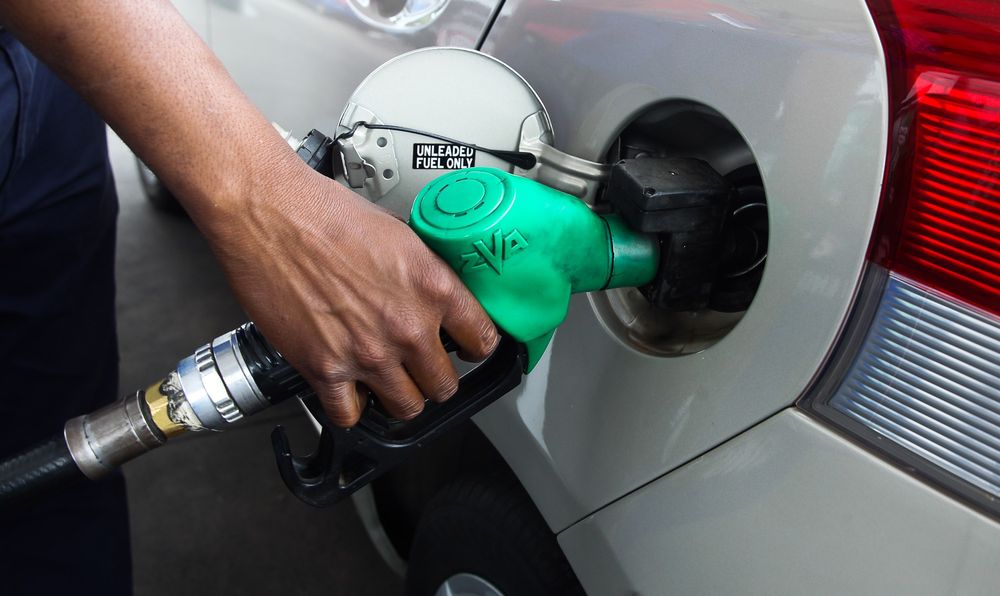
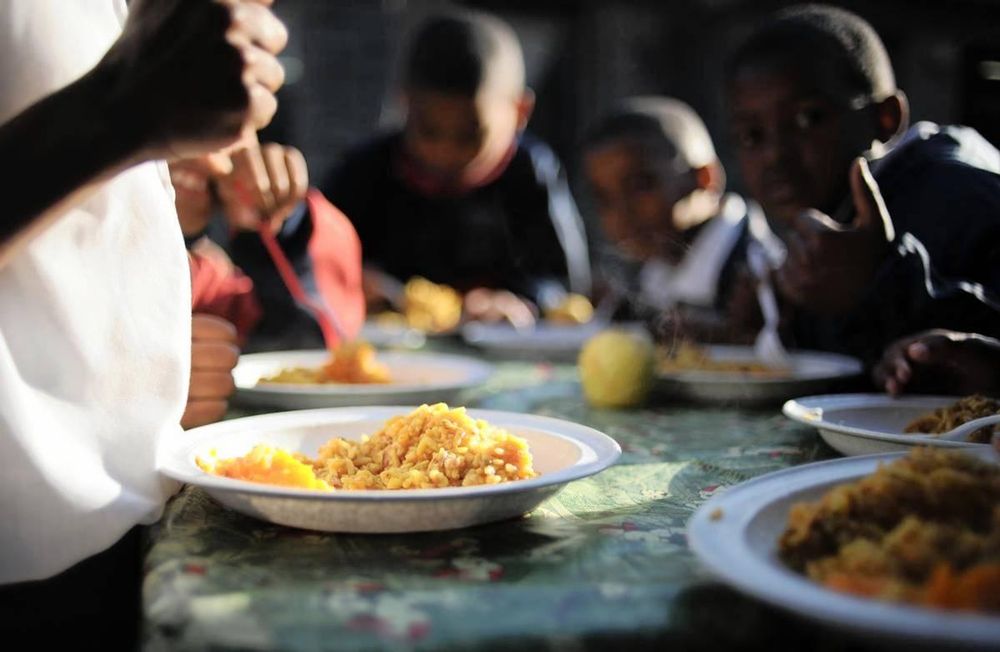
For South Africa, as a net importer of oil, this means more expensive fuel, higher transport costs and ultimately rising food and consumer prices.
This cost pressure coincides with Eskom’s increased power tariffs, as well as higher fuel levies and carbon taxes, and is highlighted by prof. Raymond Parsons, economist attached to the NWU’s business school and lead author of the report, described it as a “triple blow” for households and businesses.


(Photo: Provided)
Special committee appointed
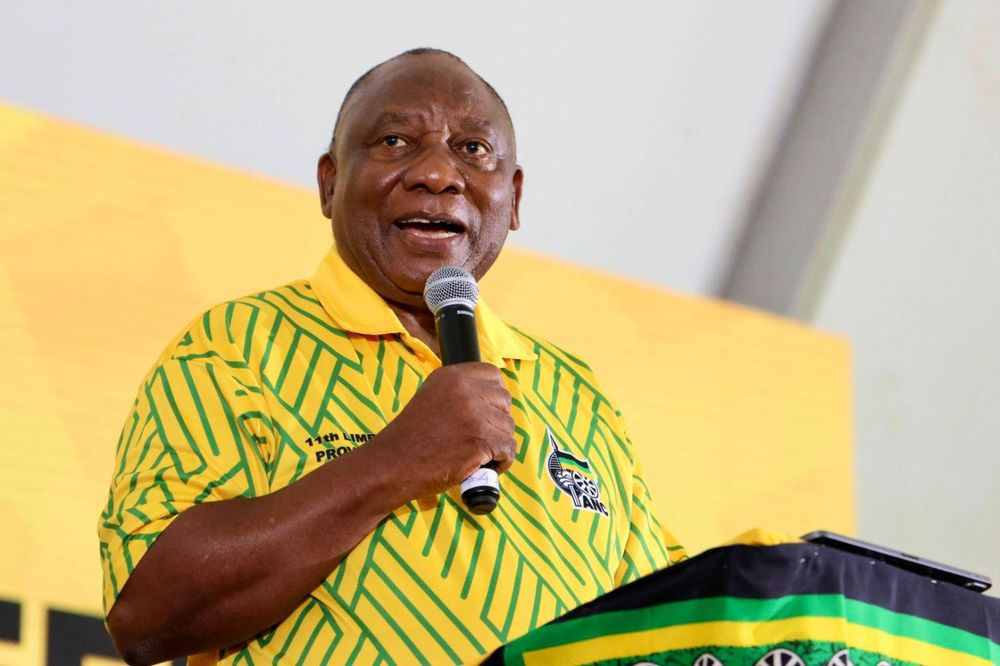
Pres. Cyril Ramaphosa has meanwhile confirmed that a special committee has been set up to investigate the economic impact of the war. The committee includes the treasury and the departments of mineral and petroleum resources and electricity and energy respectively, and possible interventions to mitigate price shocks are considered.
The report shows that the government does have some policy levers to cushion the shock. These include temporary relief from fuel charges, the postponement of certain tax increases and more targeted support for poor households.
However, such interventions have a direct cost to the public treasury.
South Africa’s limited fiscal space remains the biggest constraint. With a debt-to-GDP ratio of around 76%, there is little room for large-scale support measures, and any relief will have to be designed so as not to put further pressure on the budget.
The report warns that too little relief could hurt households and small businesses, but too much support could undermine public finances and investor confidence.
According to the NWU, the best response to the current economic shock is not panic, but “well thought out preparedness” that includes clear policy, better communication and faster structural reforms to make the economy more resilient.