






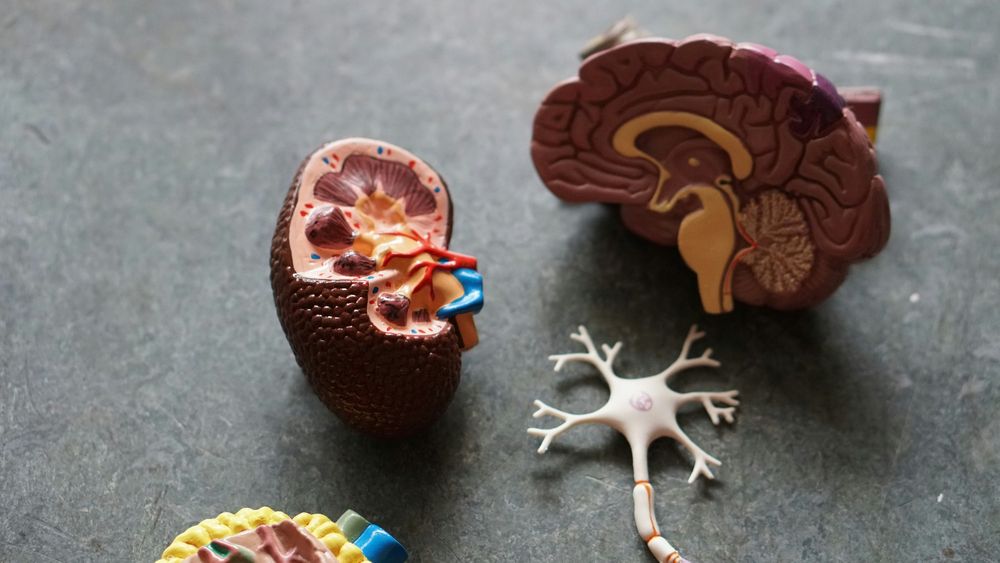
BECAUSE March is the month to raise awareness about kidney disease that strikes silently, Affinity health has launched a campaign to raise awareness about this disease. The scary thing about it is that we rarely have any visible symptoms until the major damage has already been done.
The kidneys play an important role in keeping the body healthy. They filter waste and excess fluid from the blood, help regulate blood pressure, aid in the production of red blood cells, and keep bones healthy. Despite this, kidney disease is often described as the “silent disease” because most people feel well until kidney disease occurs.
According to the World Health Organization, chronic kidney disease affects about 850 million people worldwide, and many have not received help since the early stages of the disease often have no obvious symptoms.
“Kidney disease often creeps up silently, which is why awareness and early screening are so important,” said Murray Hewlett, CEO of Affinity Health. “Early detection of kidney problems gives people the best chance of reducing consumption and avoiding serious long-term problems.”
Kidney failure occurs when the damaged kidneys can no longer function properly, often caused by various conditions such as diabetes and high blood pressure. Early symptoms are rarely seen but, stages of damage can be seen with fatigue, swelling, and changes in urination.
Because these symptoms are common and associated with normal health conditions, they make it difficult to notice that they are reporting kidney disease until more serious problems develop.
A common risk factor for kidney disease
Kidney disease can affect anyone, but the people most at risk are: high blood pressure, diabetes, and heart disease, all of which increase the risk of developing kidney disease. A family history of kidney disease, being over the age of 60, and long-term use of certain medications, including painkillers, can also increase the risk.
People with these risk factors should take care of the medical examination, as early detection of the disease can make a big difference in its easier control.
How is kidney disease diagnosed?
Kidney disease can be detected with a simple test, often before symptoms get worse. This may include:
A blood test to check kidney function. A urine test that checks for protein or blood. Blood pressure monitoring.
Kidney care and overall well-being
Kidney disease does not only affect the kidneys, but is closely related to other health conditions, especially cardiovascular disease. People with kidney disease face a higher risk of heart-related problems, making early diagnosis very important. If you are not diagnosed, this disease can also have an impact by debilitating, impairing the mind, and the quality of life, gradually you end up losing the motivation to exercise, or to do daily activities.
Simple steps to support the kidneys
Although not all kidney diseases can be prevented, practicing a healthy lifestyle can help reduce the risk. These include: Keeping blood pressure and blood sugar under control. Drinking a lot of water. Eating the right amount of food. Avoiding using certain medications for a long time. You are used to being tested.