





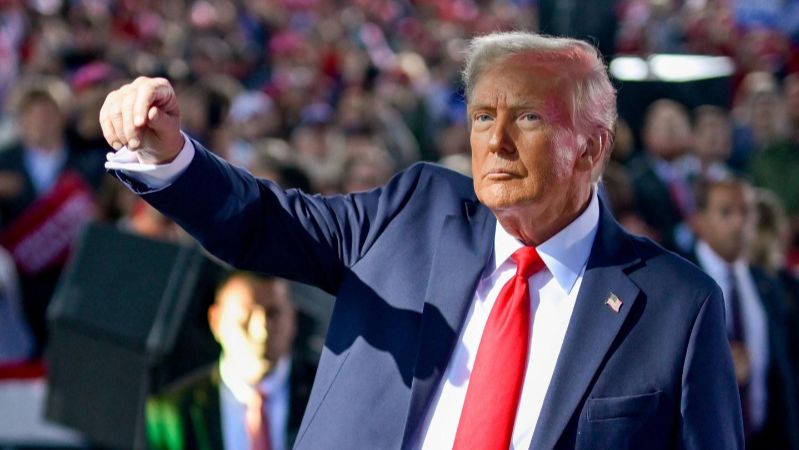
Blurb: The smell of the Middle East and the dust from Tehran, Tel Aviv and southern Lebanon, has begun to trick us here in South Africa, comments Tselwepele Makoe
UNTIL Tuesday, at midnight, for many people in this war between America, Israel and Iran, it was just a matter of running a sneak peek on social media. It seemed far-fetched – the only possibility was that President Donald Trump might move to the country because of his hatred for it. This war was just a game show that people watched on their phones and TVs.
But since Wednesday, water has entered the house due to the impact of this war as the prices of petrol, diesel and kerosene have gone up. All of a sudden, missiles flying in the air at a distance of 8,000 kilometers away from this country, saying that when they are fired, the pain will be felt in our hearts.
Maybe at first it won’t be noticeable because we are looking at the increase in fuel consumption. A person living in Nhlophenkulu, KwaZulu, who feels the need to travel by car, sees himself as untouchable but the truth is that this oil, which is blocked by the turmoil of war, produced in Iran, is a cure for the economy of many countries in the world. Its decrease puts pressure on the motor oil which infects the entire human life.
INFLUENCE
The farmer who transports food from the fields to the store by truck is struggling because of the high cost of diesel. These trucks that are scattered on the roads, transporting food and other necessities of daily life, are more expensive than before. Electricity and water supplied by the municipality are affected because diesel and petrol are the gears that move the world economy. Medicines from hospitals, clinics and pharmacies are delivered in the same way to people – with diesel or petrol.
It was the same thing when the conflict broke out between Russia and Ukraine when it was seen that neglected products were affected such as kakaten (telu) which is used for cooking.
Unfortunately in the world we live in now they are dying, the sneezes in the bottom of the world are turning into a small toe like ours which is still facing the problems of inequality of people in the country – where there are those who eat and waste their food while the majority do not even have enough to get a loaf of bread and go to bed after eating.
This is the dilemma that a country like South Africa, and many others in this continent, is facing with the wasp conducted by America and Israel in the Middle East. This misery is an extreme yoke for many black families, most of whom are supported by women and children.
The rise in petrol is no small matter. It forces many households to cut back on food allowances, considering fares to work, school and church. These changes don’t happen all at once, but they will continue to follow each other, forcing a change in the way you spend money to the point where it’s not good as the salaries of the working people remain the same.
A JOKE EXCESSIVE TO THE BLACKS
Since we are focusing on the weight of the burden on the shoulders of the black man – you will notice that the complaint of an American or a well-to-do person is that he can no longer take his family out to eat at a restaurant. In South Africa, the situation is different because there is a controversial term called “black tax” – a category unknown to many Western nations, where one person who works at home is responsible for all the expenses of his unemployed family members. This includes parents, siblings who probably already have children of their own, grandparents if they are still alive, and relatives who came to cry to him when the alliance broke.
The increase in the price of food and other necessities, means that the person is sitting with a stipend that is rapidly going down his neck because those who depend on him in terms of expenses are no longer given enough.
Health is one of the things that is a difficult yoke for people because many working people are forced to depend on their family for their medical aid because government hospitals are the gate that opens the “Cebolethu” car to pick you up. This is especially true for older people who are parents of working people because their medical needs overlap as most of the time they are fighting chronic diseases. They need medication, referrals, and more personal care. If the price of petrol is really high, even a small trip to the clinic becomes a big deal because one is protecting even the smallest drop in the car’s tank.
BADNESS
In that way, what you might consider to be Trump’s jokey rhetoric, Israeli Prime Minister Benjamin Netanyahu’s insistence on Iran’s aggression are not things to watch from afar. The destruction of people in Gaza, the capture of the President of Venezuela and the conflict with missiles seems far away and it is a cancer that eats your pocket. In communities facing hunger, including South Africa, these rising costs caused by the oil crisis multiply tenfold in daily costs.
The next time you hear that a ship is not passing through the Strait of Hormuz, do not look away from that problem because it could mean the spread of poverty in a country with many unemployed people like South Africa. You will start to see the jamming of things with the increase in rates, petrol, electricity and water as we see municipalities like Thekwini proposing to increase these requirements and people have not even finished breathing due to last year’s increase.
Other countries are the ones who have the gear to change things like America, but here and there in the South the impact falls on us.
We can be thankful and whisper that the conflict in the Middle East does not affect us, but actually praying for peace is something that the world must do because it says that the war is being fought over there in the desert of the nations but its dust is smoldering in our skulls in the corner of South Africa.
These flaming arrows day and night are like spears aimed at the needy. Everyone should hide under the rocks in their area because it eats wet, eats and eats. Unfortunately, there is nothing we can do to stop it.
* Tswelopele Makoe is a justice activist, researcher at the Desmond Tutu Center for Religion and Social Justice and Editor at the Global South Media Network.