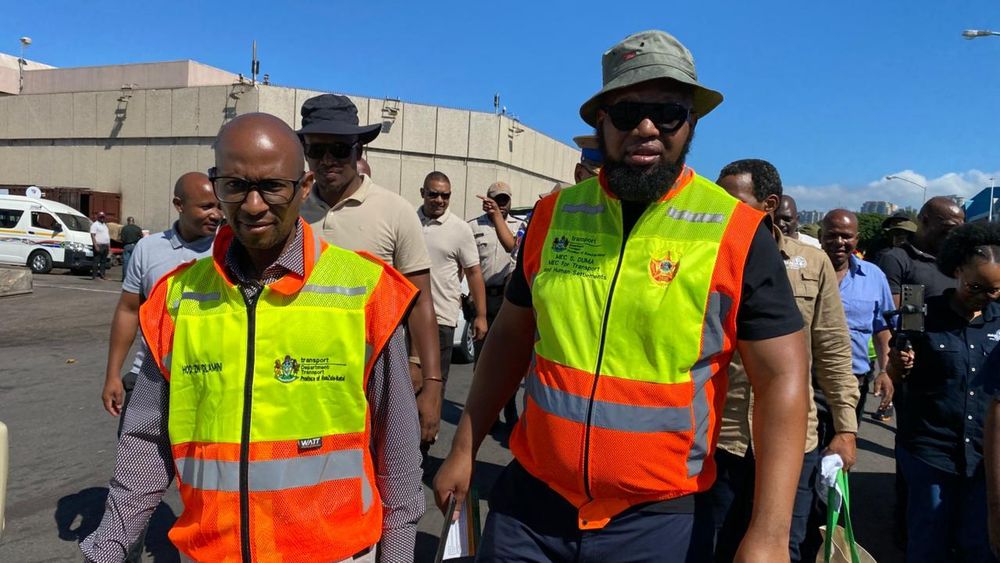






Paschal Donohoe, the managing director, indicated that countries in Asia and Africa are particularly vulnerable to the energy, price and supply chain shocks caused by the crisis. (Photo: John Thys/AFP)
The World Bank is “extremely concerned” about the consequences that the war in Iran will have on inflation, on jobs and on food security and is in discussion with member countries on how to deal with immediate needs during the crisis.
Paschal Donohoe, the managing director, indicated that countries in Asia and Africa are particularly vulnerable to the energy, price and supply chain shocks caused by the crisis.
“At the moment we are consulting many governments and countries about what their needs will be and I expect that within the next few weeks it will become much clearer,” said Donohoe.
The World Bank provides development assistance and immediate budget support to member countries in the form of loans and technical assistance.
Donohoe said the organization currently offers both forms of support in discussions with countries that need help.
“We are concerned about the effects this will have on inflation, on jobs and on food security,” he said.
“This is why we are going to come up with responses that will have a financing element and a policy element that can and will offer support.”
Discussions about financial possibilities, which could for example be in the form of immediate loans, are “in progress”, but are expected to be completed in “a few weeks”.
As far as policy advice is concerned, Donohoe expects the discussions to be concluded “within a few days”.


Oil tanker in the Strait of Hormuz (Photo: Ho Sepahnews/AFP)
Risks extend beyond energy
Since the beginning of the war, Iran has blocked the Strait of Hormuz. About a fifth of the world’s oil and liquid natural gas is transported through this strait.
Several countries, including major World Bank borrowers such as Pakistan, Indonesia and Bangladesh have introduced widespread fuel conservation measures to deal with the crisis and save fuel for key industries and sectors.
Vulnerable countries in Asia and Africa have brought several problems to the bank’s attention.
“They point to the income shock that will arise due to rising prices and what this will mean for households and businesses,” said Donohoe.
In Africa, South Asia and the Middle East, Donohoe warns that several countries are already struggling with small foreign reserves and “limited market access”. This makes them particularly vulnerable to “dangerous” debt shocks.
Donohoe says the World Bank is “well positioned to help countries with their economic response” and is in discussion with member countries.