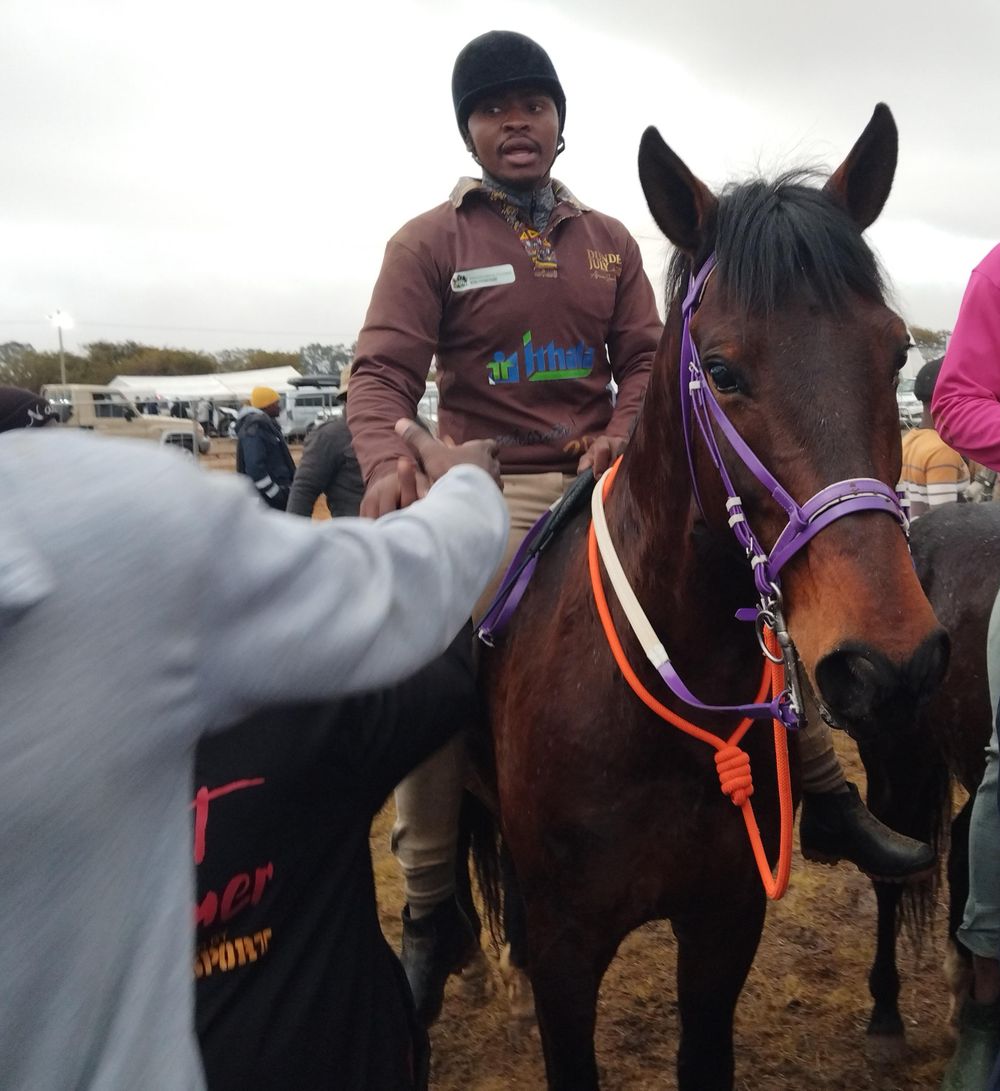






John Steenhuisen (Photo: X)
Saai is opposed to the new scheme on the vaccination of livestock against foot-and-mouth disease (FMD) and warns that the plan gives excessive power to the director of animal health despite what the organization describes as “terminal failures” within that directorate.
Maroela Media earlier reported that the scheme was in the Government Gazette published.
According to Saai, it is precisely the directorate of animal health’s failures that have landed South Africa in the current BKS crisis.
“This directorate could not have done anything more to prove to South Africa that they do not have the capacity or sense of responsibility or urgency to carry out their functions so that we can gain the upper hand over the disease,” says the organization.
Saai argues that the department has not met basic legal requirements, including the timely declaration of disease management areas, the acquisition and storage of sufficient vaccine, the implementation of vaccination programs and the management of BKS zones.
The organization also says the new scheme places strict obligations on farmers, but no clear deadlines or consequences for government officials if they fail to process applications or issue certificates.
“Although strict time limits are set in this scheme for owners of cloven hooves to respond to notices from the state, no such time limits are given to the director to process applications or issue certificates.”
He also criticizes the establishment of yet another ministerial advisory committee and believes that existing expert structures have already been ignored.


John Steenhuisen at the Flower Show last year. (Photo: Facebook / Flower Show)
Saai refers, among other things, to previous frustrations by Dr. Danie Odendaal, member of the ministerial task team, as well as complaints by the Industrial Coordination Council that they are not really involved in the implementation of the vaccination campaign.
Another major source of concern is the financial impact on farmers.
According to Saai, the scheme places “a massive financial burden” on livestock owners who are now held responsible for the cost of vaccine, private vets, monitoring and reporting.
“Not all farmers can afford to pay the professional fees of private veterinarians, especially not for the extensive services described in the scheme,” says the organization.
Saai says the state is adding further administrative red tape to the process at the same time, while according to the organization farmers are already the victims of state failure.