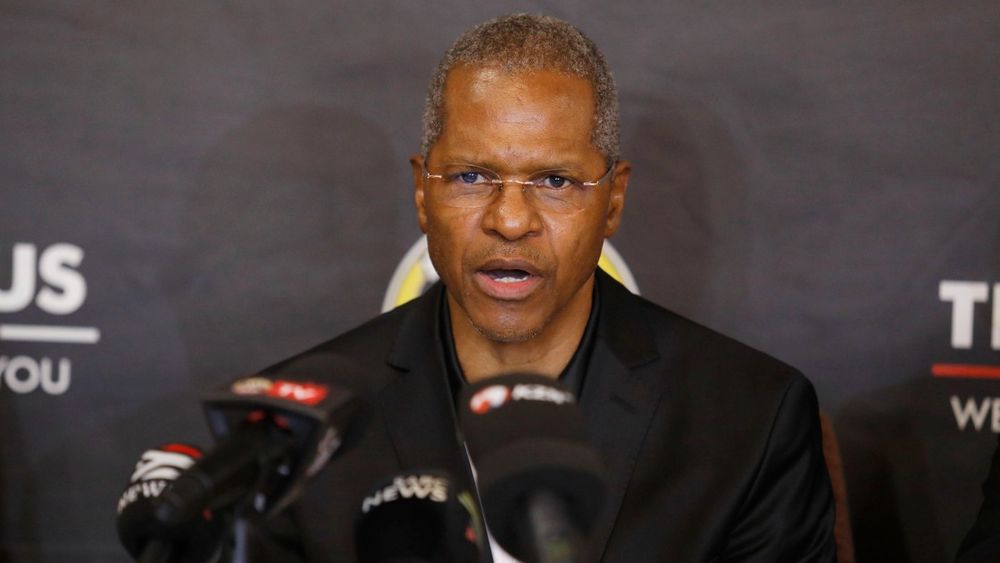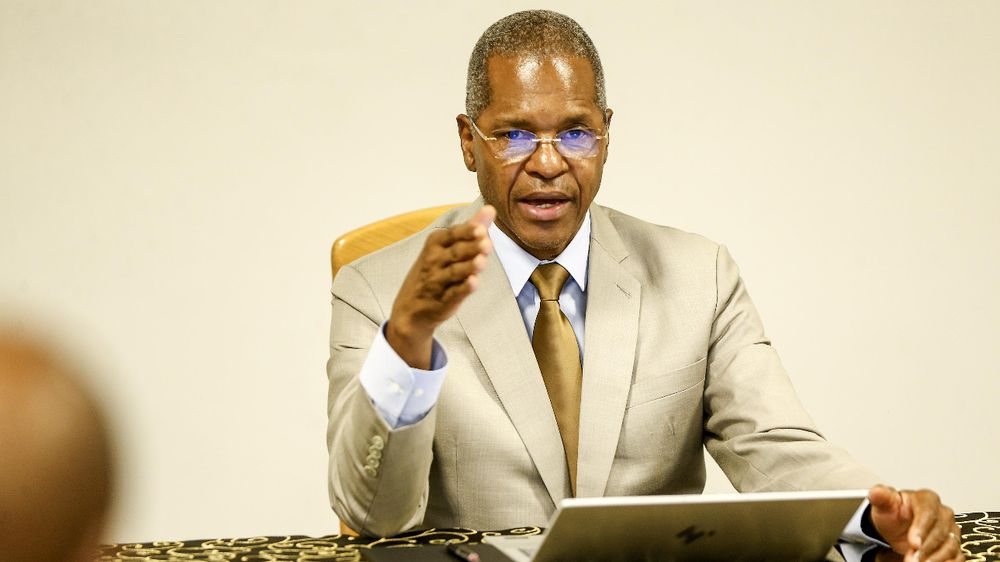



A new power tariff of 62c/kWh for ferrochrome smelters offers much-needed relief to a struggling industry and could help protect thousands of jobs, but final approval still depends on Nersa. (Photo: Provided)
A breakthrough was made with an agreement on an electricity tariff of 62c/kWh for the ferrochrome smelters of Samancor Chrome and the Glencore-Merafe Chrome partnership.
This is a step that is considered to be of critical importance to stabilize the sector and limit job losses.
According to Eskom, the tariff intervention will strengthen its liquidity without the need for further loans, higher tariffs or additional government support. The agreement also ensures predictable sales volumes for as many as five years and protects existing public investments in the power supplier.
However, the agreement remains subject to approval by the National Energy Regulator (Nersa), with a public participation process still to follow.
Dan Marokane, Eskom’s CEO, says Eskom’s recovery over the past three years has made this step possible.
“Without Eskom’s restoration, which was delivered by our 40,000 employees and which restored reliable baseload electricity – for which there is currently no alternative for energy-intensive users – we would not be able to support the ferrochrome industry or help prevent job losses,” he says.
The revised agreed price agreements apply as a medium-term solution of up to five years and provide for a flexible, case-by-case approach, with the aim of adjusting prices according to each smelter’s circumstances.
Eskom has meanwhile indicated that energy-intensive sectors such as ferroalloy as well as iron and steel are under increasing pressure due to competitive world markets, rising input costs and structural competition challenges and that these sectors will be given priority.


The Camden power station in Mpumalanga. (Photo: Eskom)
Agreement welcomed
The Glencore-Merafe Chrome partnership has provisionally accepted the revised proposal and describes it as an “important and positive step forward” for local value addition.
“We remain committed to the sustainability of local processing, the protection of jobs and the long-term viability of our operations and the communities in which we operate,” reads the partnership’s statement.
“The regulatory process is considered urgent, with a target to complete it within 30 days. Meanwhile, the section 189 process, which relates to possible redundancies, has been extended until May 11,” says the company.
Maroela Media previously reported that the deal came at the last minute amid growing fears of large-scale layoffs. According to Solidarity, a previous interim tariff of 87.7c/kWh would not have been able to ensure sustainable operations.
Willie Venter, deputy general secretary of Solidarity, says the new tariff could be a turning point.
“We are grateful that the plea of workers and communities was heeded at the last minute. This decision can prevent the trigger being pulled with layoffs at Glencore-Merafe and Samancor,” he says.
However, he warns that the wider smelter industry remains vulnerable and that further intervention is needed to protect other plants.
“After this announcement, however, it is gratifying that efforts are currently being made to bring 49 of a possible 66 smelters online by the end of 2027. Only 11 of them are currently operational. If this materializes, it could create more than 11,000 direct jobs and result in more than 100,000 indirect jobs.”
Role players emphasize that the protection of jobs and the long-term sustainability of the sector are now central, while further negotiations on a more comprehensive solution for the industry continue.