






(Photo: Pieter Cloete/Maroela Media)
The picture that the Department of Mineral and Petroleum Resources is currently painting about the availability of fuel in South Africa does not match that at petrol stations, warns the FF Plus.
The department maintained in a statement on Wednesday that there is “sufficient fuel available in the country, despite international conflict”.
Dr. However, Wynand Boshoff, FF Plus MP and the party’s chief spokesperson on mineral and petroleum resources, had seen letters from suppliers warning petrol stations against shortages.
“A long list of gas stations that are already dry is also circulating on social media. The question then is: Where is the fuel?” Boshoff now wants to know.
According to him, the department’s explanation makes sense on paper. “Orders made before the current war in Iran have yet to reach South Africa until early April.”
This implies that there should be “not yet domestic deficits”.
However, the reality on the ground looks different, says Boshoff.
“Independent fuel dealers and agents of multinational companies find it difficult to obtain sufficient supplies,” says Boshoff, and adds that several writings about this are in the party’s possession.
“One possible explanation is that stocks are being held back until the next month’s fuel price comes into effect.”
Boshoff points out that the “under-recovery of petrol is currently around R4 per liter and that of diesel around R7”, which means that “there is potentially great profit to be made from holding back stock”.


(Archive photo: Nico Strydom/Maroela Media)
However, Boshoff warns that any fuel shortage could have serious consequences. “Fuel shortages, whether real or artificially created, can do tremendous damage to the economy.” According to him, this could lead to price increases that consumers cannot afford and even food shortages in vulnerable communities.
He further says that the timing of the possible crisis could not have come at a worse time.
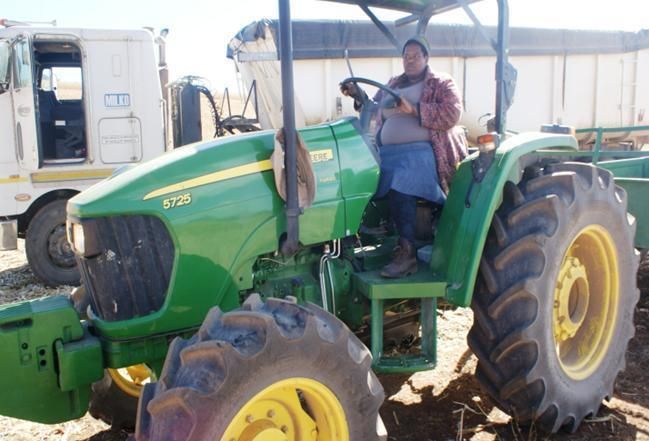
“The harvest time is now approaching. Grain left standing in the fields will be disastrous.” According to him, “the entire South African economy is dependent on liquid fuel”.
South Africa’s dependence on imports exacerbates the risk. “Sasol currently produces around 30% of it domestically, the rest is imported,” he says, which makes the country “extremely vulnerable during international conflicts”.
The FF Plus says it trusts that the department will fulfill its promise of transparency. “The FF Plus trusts that the Department of Mineral and Petroleum Resources will maintain the transparency that its statement promises.”