





Smoke rises from Tehran after an attack. (Photo: ATTA KENARE / AFP)
The conflict in the Middle East creates new global uncertainty that South Africa cannot ignore, especially given the country’s exposure to energy prices, capital flows and exchange rate movements.
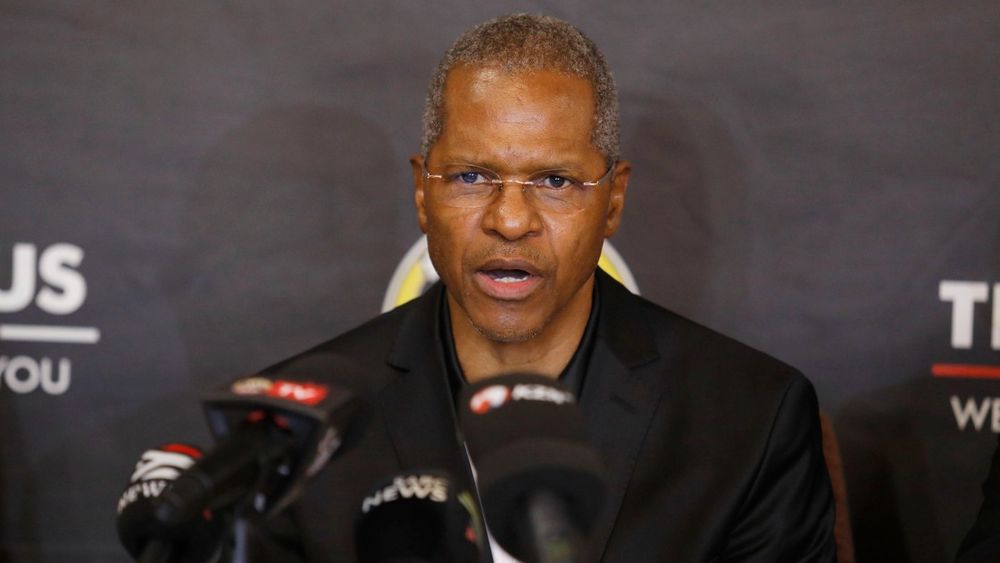
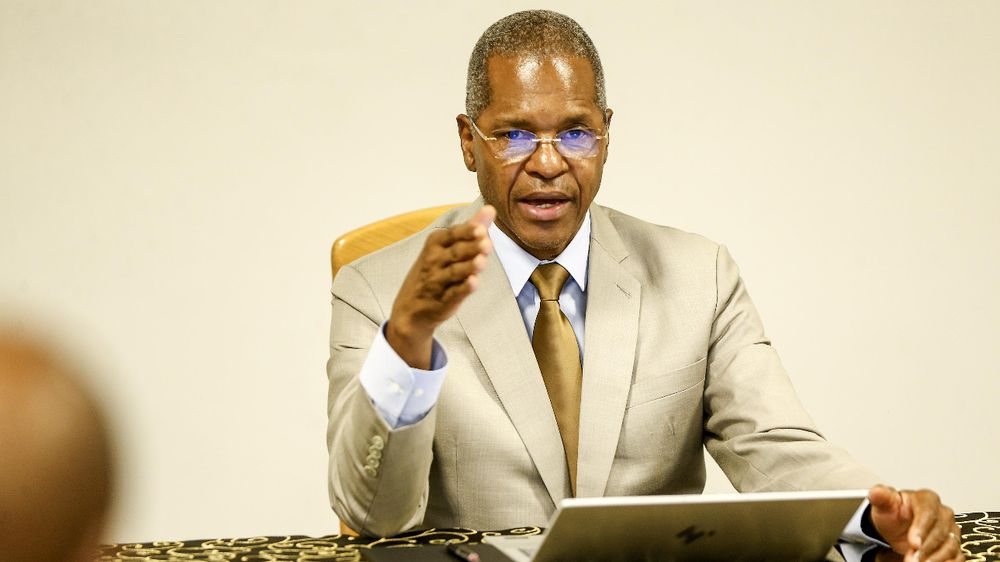
According to Thys van Zyl, CEO of Everest advisory services, the immediate risk lies not only on a geopolitical level, but also in the possible macroeconomic consequences for an open economy like that of South Africa.
“When tensions rise in the Gulf region, oil prices, risk appetite and the dollar usually move first – and markets like South Africa’s usually follow,” says Van Zyl.
A key risk is the Strait of Hormuz, a critical route through which a large part of the world’s oil exports move. Any sustained disruption or closure of this sea route could quickly lead to a sharp rise in crude oil prices.
“Even if South Africa is not directly involved in the conflict, we are indirectly exposed. Higher oil prices push up fuel costs, increase logistics expenses and ultimately put pressure on inflation and economic growth,” says Van Zyl.


About 20% of all oil supplies pass through the Strait of Hormuz. (Graphics: iStock: Peter Hermes Furian)
According to him, an oil price shock can quickly affect the local economy in the short term. Higher fuel prices can push up transport and food costs, while in times of uncertainty investors often move to so-called “safe haven” assets – something that can exacerbate rand volatility.
In addition, rising inflation expectations may limit the Reserve Bank’s room for interest rate relief.
“Even if core inflation remains under control, a fuel-driven rise in the cost of living could force the Reserve Bank to wait longer before considering interest rate cuts,” warns Van Zyl.
However, if disruptions continue for more than six months, the consequences can be much greater.
“In such scenarios, analysts have already warned that Brent crude could rise to around $110 per barrel if flow through Hormuz is severely restricted. Then we are looking at stronger inflationary pressure, a weaker rand and a heavier burden on households and businesses,” says Van Zyl.
He warns that South Africa cannot afford another external shock.
“The coming weeks will determine whether this conflict remains a short-term shock or whether it marks the beginning of a longer energy and inflation chapter for 2026.”