
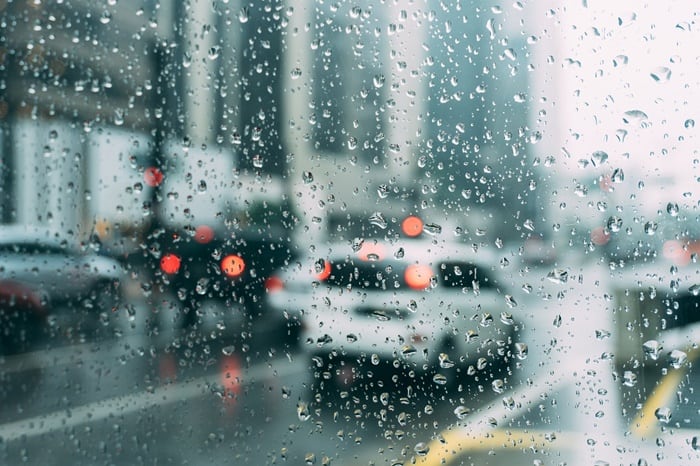
(Archive photo: pixabay)
Easter weekend is one of the busiest weekends on South African roads, with many vehicles expected to flood the main routes such as the N1, N2 and N4.
With heavy rain forecast for large parts of the country, and rising fuel costs affecting travel plans, motorists are being warned to take extra care on the roads this Easter weekend.
The South African Motor Repair Association (SAMBRA), in proud collaboration with the Retail Motor Industry Organization (RMI), is warning motorists to stay calm and take three important steps to handle stressful situations on the road responsibly and safely.
In the event of an accident:
Step 1:
- Stop your vehicle (if possible), turn on your emergency lights and take note of your surroundings.
- Take pictures of the accident scene from various angles, before the vehicles are moved.
- Check for injuries. If someone is hurt, don’t move them unless absolutely necessary.
- Wait for emergency services to take control of the scene.
Step 2: Call
- If there are injuries, dial 112 from a mobile phone or 10177 from a landline.
- Report the accident to the police within 24 hours, or as soon as possible if you are injured.
- Notify your insurer, even if you do not intend to submit a claim.
Step 3: Get data subjects’ details
- Names, ID numbers and contact details of all parties involved
- Vehicle details (registration, manufacturer, model and colour)
- Details of emergency personnel at the scene
- Time, place, road conditions and visibility
SAMBRA warns motorists never to accept responsibility at a scene.
“Leave it to the authorities and your insurer,” says Juan Hanekom, national director of SAMBRA.
He also warns motorists about using towing services. “If you are insured, always contact your insurer’s emergency line. If you are not insured, insist on a written quote in advance, including storage and towing costs.”
Motorists can also report minor accidents online via the NaTIS system and thus avoid the police station, provided certain criteria are met.
Minor accidents must be reported within 24 hours or the next working day. A collision report number (CRN) will be issued for insurance purposes.
Accidents with injuries, deaths, hit-and-run accidents or accidents involving five or more vehicles must still be reported to a police station. The service is free, although rates may apply for future access to data.
Hanekom says vehicles that have broken down can be particularly dangerous during holiday traffic and in wet weather conditions.
If your vehicle breaks down:
- Move it out of the way, provided it is safe, and turn on the emergency lights.
- Place a warning triangle behind your vehicle.
- Contact your insurer or roadside assistance company.
- Consult an accredited SAMBRA workshop.
- Keep your fuel tank as full as possible and allow for a possible fuel shortage along the way. If your tank is too empty, it increases the risk of your vehicle stalling.