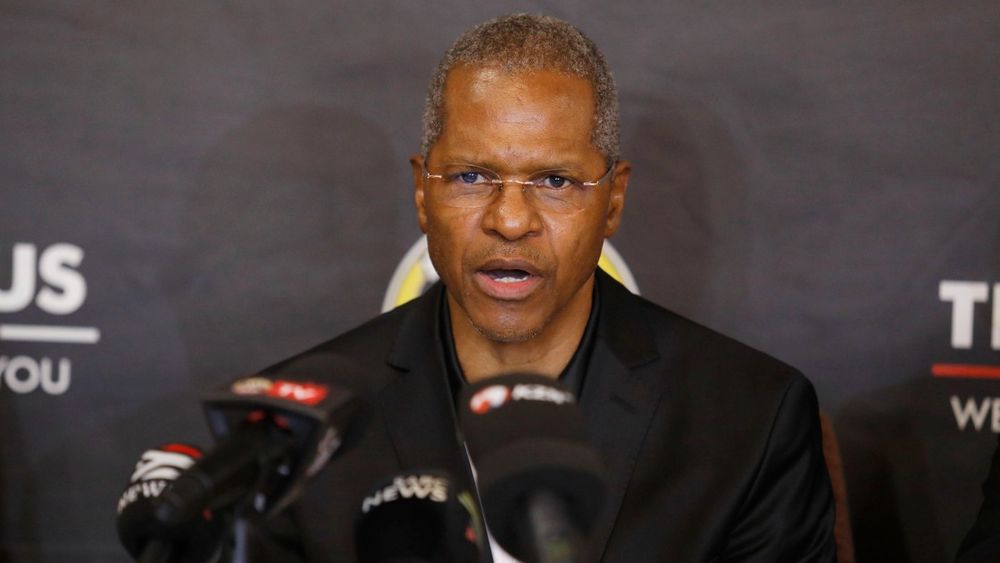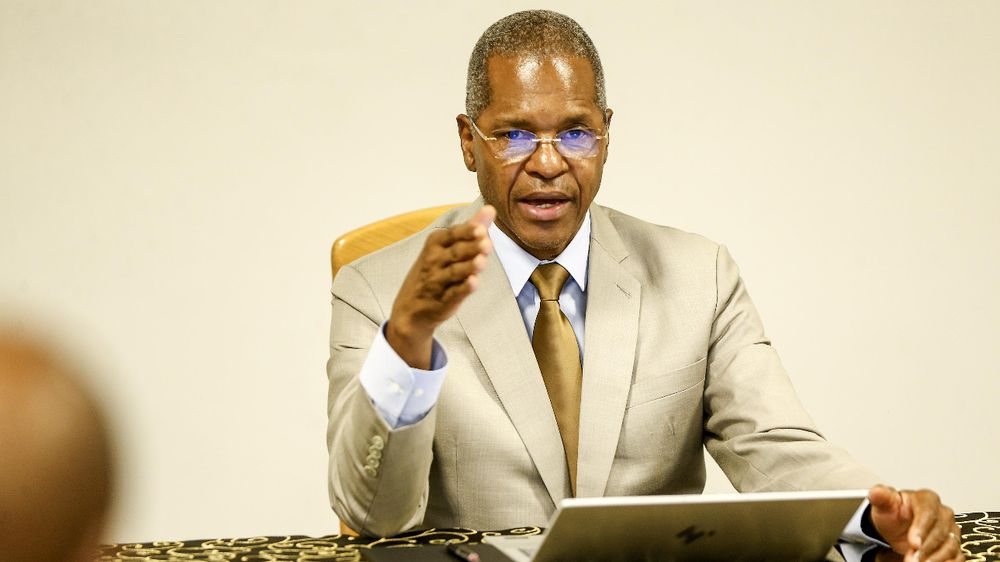





Herman Mashaba, ActionSA’s president. (Photo: Provided)
Yours, Günther von Below
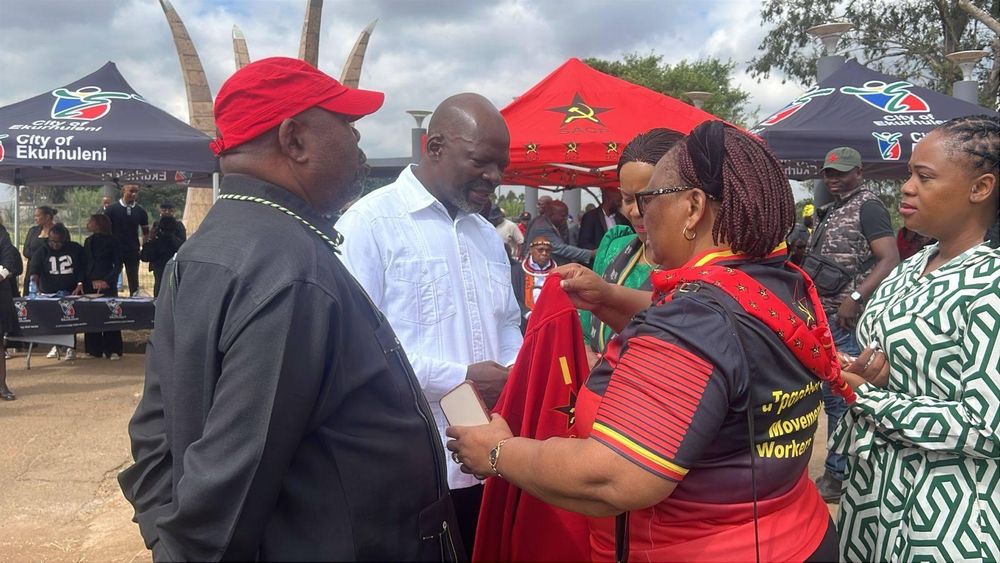
ActionSA may struggle to reach the same level of support as in 2021 when voters draw their crosses in the municipal elections later this year. Especially after 50 members of ActionSA decided to join the DA in Johannesburg last week.
Prof. Theo Neethling, political analyst attached to Akademia’s Department of Social Sciences, says this move could weaken ActionSA’s local presence if it is seen by voters as a sign that the party is giving up members to a political opponent.
“However, we must be careful not to read too much into this as it seems to be limited to parts of Soweto and does not yet indicate a major trend,” says Neethling.
Prof. Andre Duvenhage, political analyst attached to the North-West University (NWU), believes, however, that the development could in the long run lead to a decrease in ActionSA’s support.
“I think it will be difficult for the party to reach the same level of support as it used to have,” says Duvenhage.
Neethling adds that the events also highlight the competitive nature of South African opposition politics, especially with the local elections taking place this year, where coalitions and local support can play a major role.
Duvenhage says the events must also be understood within a larger political context. “The South African political landscape is currently changing as the historically dominant position of the ANC weakens.
“When a dominant party begins to lose support, other parties also begin to reposition themselves,” he explains. “This leads to a situation where politicians and supporters move from one party to another.”
Duvenhage says this kind of movement is not unique to ActionSA. In several provinces, politicians have already switched parties while forming new political alliances and coalitions.
“The DA can also probably offer these individuals better political opportunities. ActionSA does not necessarily have the ability to govern on a national level, while the DA is an established party with larger structures,” he says.
However, he believes that the departure of members can also indicate internal organizational problems.
“When people feel they no longer have a future within a party, or when expectations are not met, then they leave,” he says.
Herman Mashaba, the founder and leader of ActionSA, did not want to answer Maroela Media’s questions about the matter. “I don’t have time to respond to such questions. It adds no value to the party or the people we represent,” he said.
Duvenhage also points out that ActionSA initially had a lot of momentum when the party was founded in 2020. “Many supporters saw the party as a moderate alternative between larger parties such as the ANC, the DA and the EFF.
But according to Duvenhage, after the 2024 election, the party did not quite play the role that some supporters had hoped.
“There were great expectations about what the party would be able to achieve, especially in urban areas like Gauteng,” he says.
He compares the situation to the experience of Congress of the People (Cope), which also started strongly at first before its support later declined.